

Facial Serum Manufacturer With Professional Formulation & Production Team
Our skincare chemists and laboratory specialists develop facial serum formulations by combining ingredient knowledge, product requirements and manufacturing feasibility.
Development
Evaluation
Testing
The People Behind Every Serum Formula
Facial serum development requires cooperation between skincare chemists, product specialists and quality professionals. Each role contributes to transforming an idea into a manufacturable skincare product.
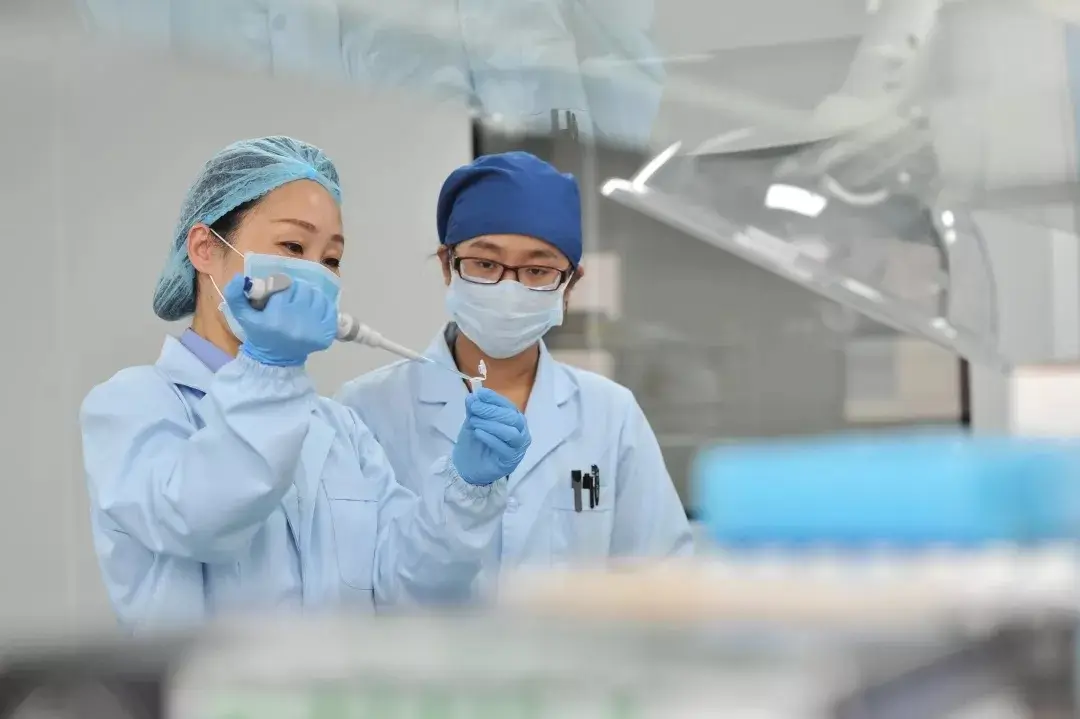
Scientific Team Roles

Responsible for creating and adjusting serum formulas based on product positioning and performance requirements.
- Active ingredient selection
- Formula structure design
- Texture adjustment

Bridge market requirements with technical development. Translate brand concepts into actionable formula directions.
- Market requirement analysis
- Product concept translation
- Prototype improvement
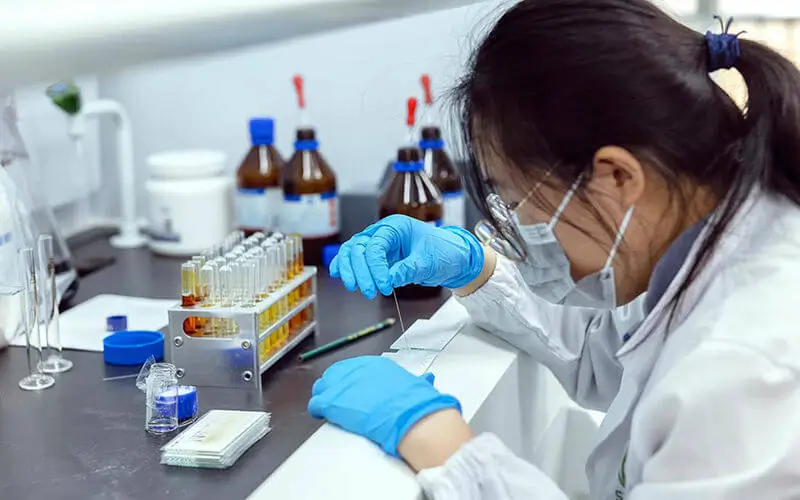
Execute sample preparation, testing procedures and observation records to support formula evaluation.
- Sample preparation
- Testing procedures
- Observation records

Maintain batch documentation and ensure product consistency throughout development and manufacturing stages.
- Batch documentation
- Product consistency
- Manufacturing records
Our Chemists' Areas of Expertise
Active Ingredient Evaluation
Ingredient selection considers product positioning, compatibility and formulation requirements.
Texture Development
Texture characteristics including absorption rate, skin feel and product appearance during application.
Formula Optimization
Refining formulas through ingredient balance, stability evaluation and consumer experience assessment.
Production Transfer
Translating laboratory formulas into manufacturing parameters while maintaining batch-to-batch consistency.
How a Serum Formula Moves From Concept to Production
Requirement Analysis
Evaluate target market, product positioning and ingredient direction based on brand requirements.
Formula Design
Define ingredient system, texture direction and target product characteristics for the serum.
Prototype Preparation
Create laboratory-scale samples and conduct initial evaluation of formula performance.
Evaluation
Assess texture, appearance and stability through standardized observation procedures.
Optimization
Adjust formula based on evaluation results to improve texture, stability and user experience.
Manufacturing Transfer
Prepare production parameters and documentation for commercial batch manufacturing.
A Practical Approach to Facial Serum Formula Development
Product Goal
First determine the product purpose: Hydration? Brightening? Anti-aging? The formulation approach depends on the target benefit and user expectation.
Ingredient Strategy
Select active ingredients and supporting ingredients that align with the product goal while considering compatibility and formulation feasibility.
Formula Balance
Balance texture, stability and manufacturing feasibility to create a formula that performs well in both laboratory and production environments.
Production Transfer
Ensure the laboratory formulation can be reproduced at commercial scale with consistent quality and batch-to-batch reliability.
Ingredient Selection and Evaluation
Understanding how active ingredients perform in different formula environments helps make informed development decisions.
Vitamin C Serum Development
- Active ingredient stability in formula environment
- Packaging material compatibility assessment
- Formula pH and oxidation considerations
- Texture stability during product shelf life
Peptide Serum Development
- Ingredient compatibility with other actives
- Formula structure and delivery optimization
- Product positioning and benefit communication
- Manufacturing process parameter requirements
Laboratory Evaluation Before Production
Sample Preparation
Observation
Formula Adjustment
Production Decision
Stability Observation
Appearance Evaluation
Texture Evaluation
Packaging Compatibility
Connecting Laboratory Development With Manufacturing
A successful formula needs to perform not only in laboratory samples but also during commercial production.
Laboratory Formula
Production Adjustment
Manufacturing Parameters
Commercial Batch
Documentation Behind Product Development
Formula Records
Detailed documentation of ingredient compositions, percentages and formula versions throughout development.
Sample Evaluation Records
Systematic recording of texture, appearance and stability observations for each prototype version.
Development Notes
Chronological notes on formula decisions, adjustments made and rationale during the development process.
Production Transfer Information
Manufacturing parameters, process notes and quality specifications for commercial batch preparation.
Development Problem-Solving Examples
Lightweight Hydrating Facial Serum
The brand needed a lightweight serum texture suitable for daily skincare.
Adjusted formula structure and evaluated texture performance.
Created a serum prototype suitable for commercial production.
Peptide Anti-Aging Facial Serum
Need to balance active ingredients with product stability.
Reviewed ingredient compatibility and optimized formula direction.
Transferred the optimized formula into manufacturing preparation.
Skincare Laboratory Capability Overview
| Area | Capability |
|---|---|
| Formula Development | Facial serum prototype creation and adjustment |
| Ingredient Evaluation | Active ingredient selection and compatibility review |
| Testing Support | Texture, appearance and stability observation |
| Development Transfer | Laboratory formula to production process |
| Documentation | Formula records and development information |