
Custom Serum Formulation Development for Skincare Brands
We develop customized facial serum formulas by combining ingredient evaluation, laboratory testing, product positioning and manufacturing requirements.
Development
Chemists
Evaluation
Transfer
Developing Serum Formulas Based on Brand Requirements
Custom serum formulation involves developing a product according to specific brand requirements, including product positioning, ingredient direction, texture expectations and manufacturing feasibility.
Common Challenges During Serum Formula Development
Brands face predictable obstacles when moving from product concept to commercial formula. Understanding these challenges helps in planning the development approach.
Translating Product Ideas Into Formulas
Brands often know they want an "anti-aging serum" but don't know how to achieve it. Formulation development connects market concepts with ingredient systems and product structure.
Balancing Active Ingredients and Product Stability
Adding more active ingredients does not necessarily result in a better product. Effective formulation requires evaluating ingredient compatibility, optimizing formula structure, and verifying long-term stability.
Creating Products That Can Be Manufactured
Many laboratory formulations cannot transition into commercial production. Real-world manufacturing requires alignment with production equipment, process capabilities, and batch consistency standards.
A Structured Approach to Custom Serum Formulation
Each custom serum project follows a systematic development path that connects product requirements with formulation execution.
Product Requirement Analysis
- Target customer definition
- Market positioning review
- Product function specification
Ingredient Strategy
- Active ingredient selection
- Supporting ingredient evaluation
- Formula direction alignment
Prototype Development
- Initial sample preparation
- Texture and feel evaluation
Optimization
- Formula balance adjustment
- Product feel refinement
- Manufacturing suitability confirmation
Laboratory Evaluation
- Sample observation and recording
- Formula behavior assessment
Manufacturing Transfer
- Production parameter setting
- Batch preparation and validation
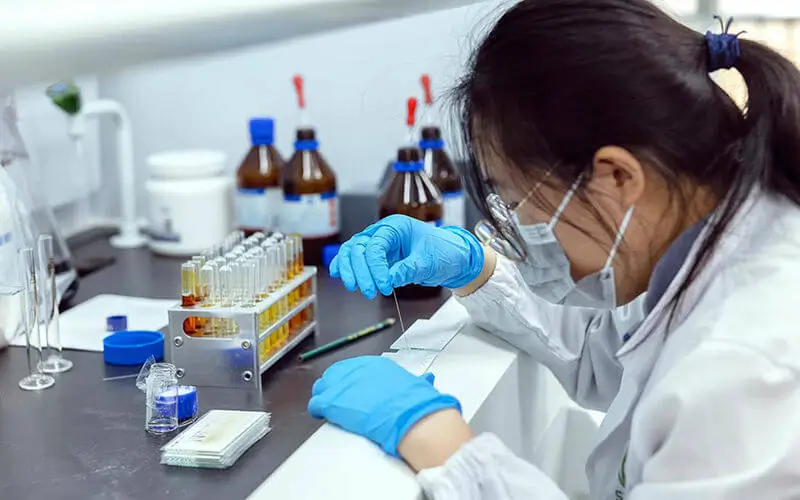
Scientists Behind Custom Serum Development
Our formulation process is driven by a multi-disciplinary scientific team with expertise across cosmetic chemistry, laboratory evaluation and product development.



Ingredient Selection Based on Product Objectives
Ingredient strategy is not about listing what is available — it is about selecting the right combination based on the product's intended function, texture and positioning.
Hydration Formula Development
- Hyaluronic acid multi-molecular-weight systems
- Humectant optimization for moisture retention
- Barrier-support ingredient integration
Brightening Formula Development
- Vitamin C derivative selection and stabilization
- Niacinamide concentration evaluation
- Botanical ingredient compatibility review
Anti-Aging Formula Development
- Peptide selection and combination strategy
- Retinol-related ingredient integration
- Supporting antioxidant systems
Repair Formula Development
- Barrier-support ingredient systems
- Ceramide and lipid complex evaluation
- Soothing ingredient integration
Developing Serum Texture and User Experience
Consumers evaluate a serum not only by its ingredient list but also by how it feels during application. Texture, absorption, and sensory experience are critical formulation considerations.
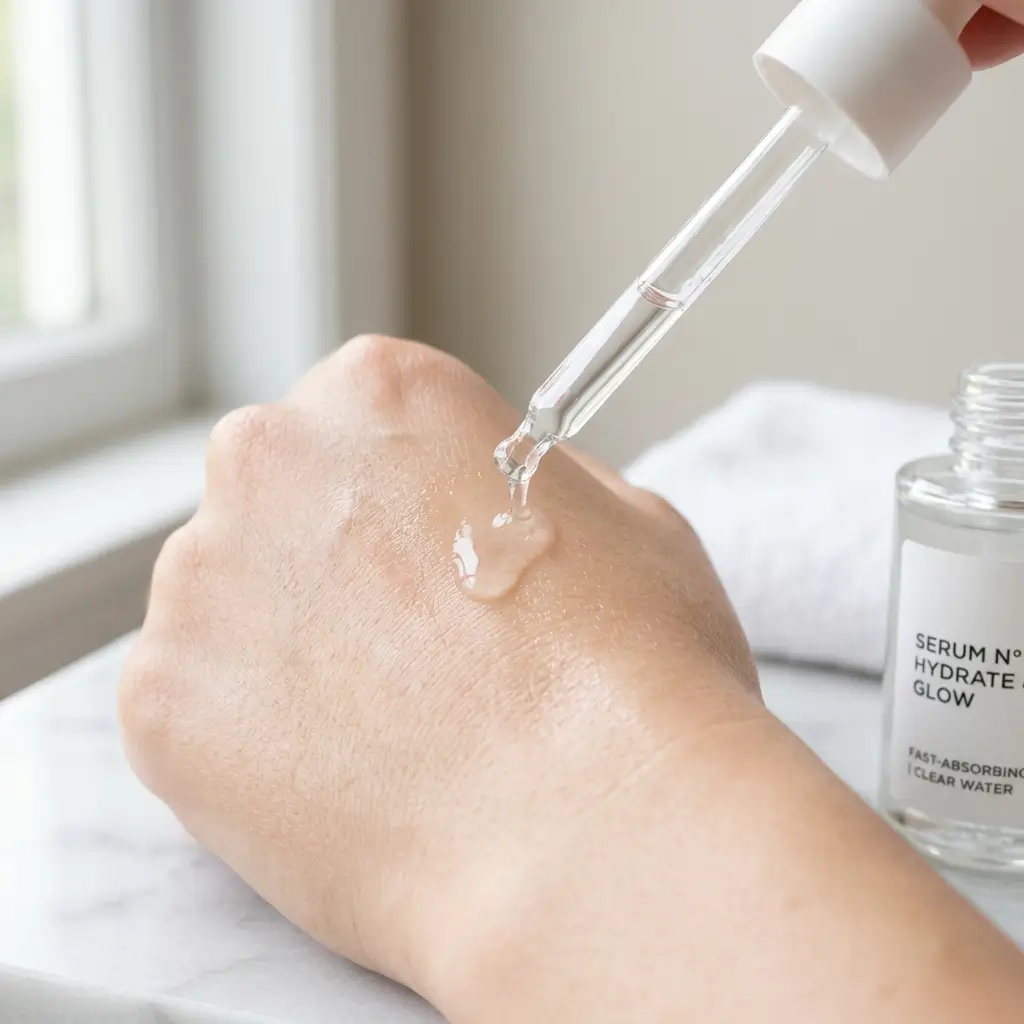
Lightweight Serum
Fast-absorbing, suitable for daily skincare routines and layering
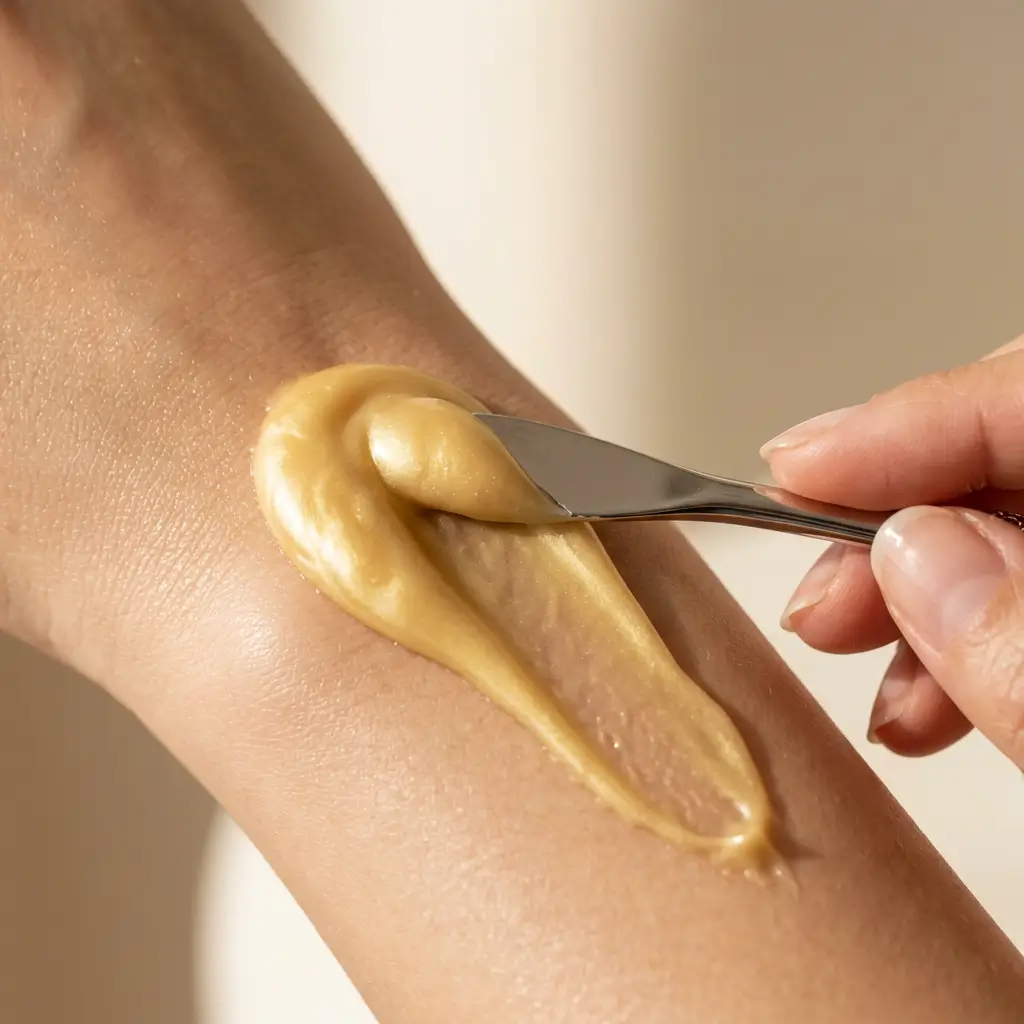
Rich Treatment Serum
More substantial feel, designed for premium skincare positioning
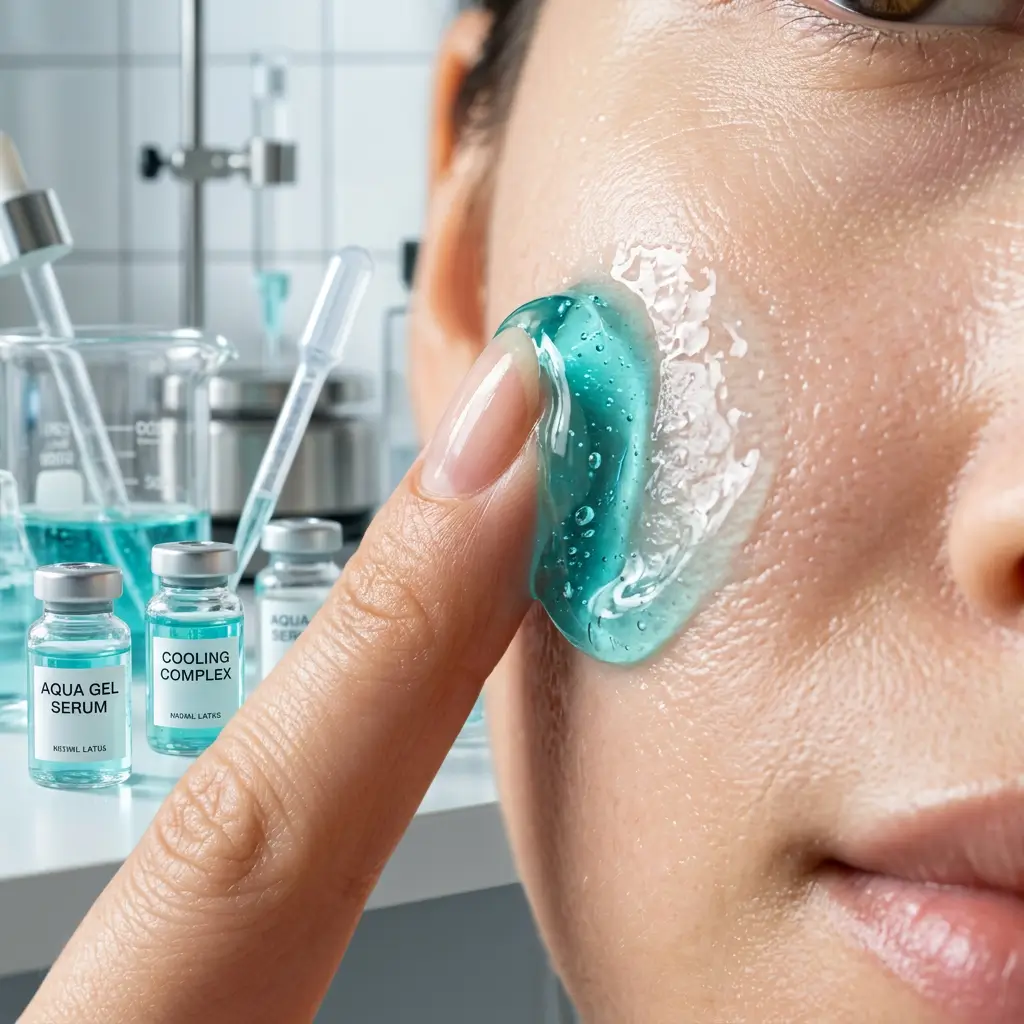
Gel-Type Serum
Cooling, refreshing texture appropriate for younger or active-lifestyle audiences
Laboratory Evaluation Before Production
Every custom formula undergoes structured observation and adjustment before proceeding to manufacturing. This step identifies issues that are easier to resolve in the laboratory than in production.
Connecting Formula Development With Commercial Production
A successful custom formula must move from laboratory development into repeatable manufacturing. The transfer process ensures the formula performs consistently at commercial scale.
Mixing Process
Adapting laboratory mixing procedures to production-scale equipment while maintaining formula integrity and ingredient dispersion quality.
Production Conditions
Setting temperature, time and environmental parameters that replicate laboratory results in a manufacturing environment.
Batch Consistency
Establishing process controls and quality checkpoints to ensure each production batch matches the approved laboratory prototype.
Custom Serum Development Examples
Recent formulation development projects demonstrate how brands move from concept to manufacturing-ready formula.
The brand wanted a lightweight serum suitable for daily skincare. The formulation needed to balance hydration performance with a non-sticky texture appropriate for morning and evening use.
Adjusted ingredient combination and texture direction based on product positioning. Evaluated multi-molecular-weight hyaluronic acid systems to achieve both immediate and sustained hydration.
Created a prototype suitable for manufacturing evaluation. The formula demonstrated consistent texture and absorption characteristics across laboratory observation.
Need to balance active peptide ingredients with product stability. The brand required a formula combining multiple functional peptides without compromising formula consistency.
Reviewed ingredient compatibility and optimized formula structure. Evaluated peptide combination ratios and supporting ingredient systems to maintain stability.
Transferred the formula into commercial production preparation. Manufacturing parameters were established based on laboratory development data.
Why Formula Development Must Connect With Manufacturing
The value of custom formulation multiplies when development and production work as a single integrated process. Separating the two introduces risk at every handoff point.
Laboratory Formula Is Only the Beginning
A successful prototype in a laboratory beaker is not yet a commercial product. Production feasibility — including equipment compatibility, process repeatability and scale-up behavior — must be considered during development, not after.
Production Knowledge Improves Development Decisions
Manufacturing experience directly informs formula design. Understanding how ingredients behave at production scale, in specific equipment, and under commercial timelines leads to better formulation choices from the start.
One Development Path Reduces Communication Risk
When a single scientific team handles both formulation development and manufacturing transfer, there is no gap in understanding. Information, decisions and adjustments flow continuously — reducing errors, delays and misinterpretation.
Custom Serum Formulation Capability Overview
| Area | Capability |
|---|---|
| Formula Development | Custom facial serum prototype development |
| Ingredient Strategy | Active ingredient evaluation and selection |
| Laboratory Support | Sample preparation and formula assessment |
| Product Experience | Texture and application optimization |
| Manufacturing Transfer | Laboratory formula to commercial production |
Frequently Asked Questions
Custom serum formulation involves developing a facial serum product according to specific brand requirements — including product positioning, ingredient direction, texture expectations and manufacturing feasibility. It goes beyond private labeling by creating a unique formula tailored to your brand's target market.
Development timelines depend on formula complexity and ingredient availability. A typical custom formulation project follows structured phases from requirement analysis through prototype development, evaluation, optimization and manufacturing transfer — with regular communication at each stage.
Yes. If you have an existing formula or reference product, our cosmetic chemists can evaluate it for ingredient compatibility, manufacturing feasibility and potential improvements before proceeding with development or production transfer.
We evaluate each project individually. Our formulation development approach considers your target production volume from the beginning, ensuring the formula can scale from laboratory prototypes to your required batch sizes while maintaining consistency.
We typically need your product concept, target function, preferred ingredient direction, target market, and estimated volume requirements. Our scientific team uses this information to evaluate the suitable development approach and provide an initial assessment.