Retinol Serum Formulation Development for Skincare Brands
We develop retinol serum formulas by combining active ingredient evaluation, formula stability planning, texture development and manufacturing requirements for skincare brands.
Developing Retinol Serums Requires More Than Adding a Single Active Ingredient
Many brands assume a retinol serum is simply retinol added to a base formula. In practice, commercial retinol serum development requires careful planning across ingredient selection, formula environment, supporting ingredient systems, stability strategy and manufacturing process — each stage addressing distinct technical requirements.

Retinol Serum Development Requires Careful Formula Planning
Retinol formulations present unique development challenges that distinguish experienced manufacturers from general formulators. Understanding active ingredient behavior, formula environment interactions and production requirements helps brands reduce development risks and move products toward commercial viability.
Managing Retinol Formula Stability
Retinol product development requires focused attention on formula consistency, ingredient protection and product lifecycle throughout the development cycle. Our evaluation approach includes systematic stability planning to help ensure formula performance remains consistent from laboratory through commercial production.
- Formula consistency evaluation
- Ingredient protection planning
- Product lifecycle assessment
Selecting Suitable Retinol Formula Approaches
Different brands require different formula directions — from daily skincare formulations to treatment-oriented product positioning. Development work evaluates ingredient characteristics against brand objectives to recommend formula approaches that align with each project's specific goals and target market requirements.
- Daily skincare formulation planning
- Treatment-oriented product design
- Ingredient characteristic evaluation
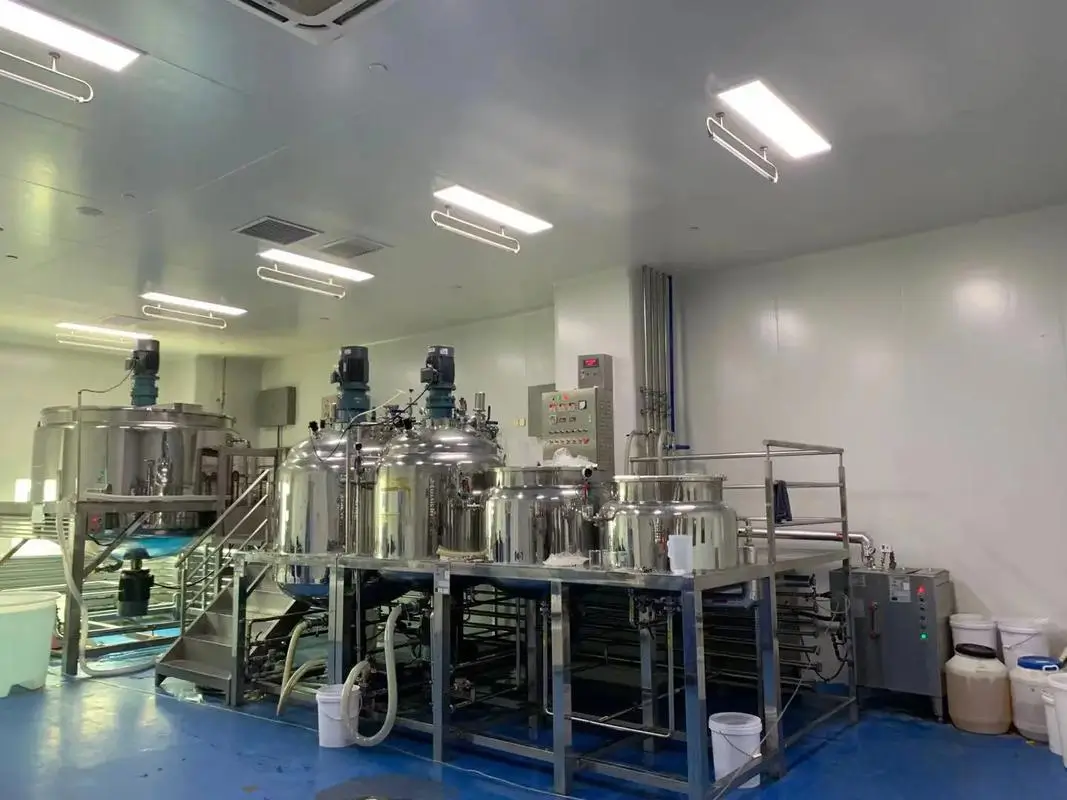
Preparing Retinol Formulas for Manufacturing
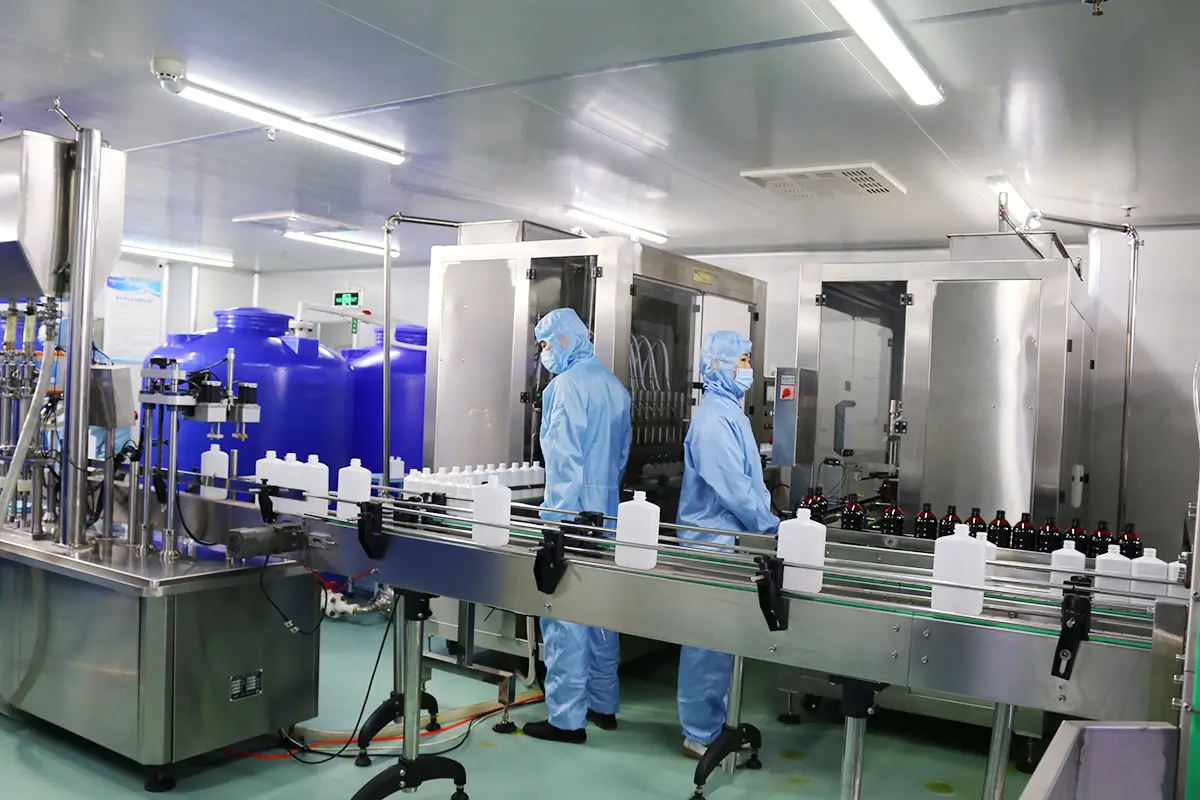
The transition from laboratory samples to commercial production involves process consideration and production preparation. Our team evaluates formula behavior at scale to help ensure the development work translates reliably into consistent commercial manufacturing outcomes for brand partners.
- Process consideration and planning
- Production environment assessment
- Scale-up factor evaluation
Retinol Ingredient Selection and Formula Integration Approach
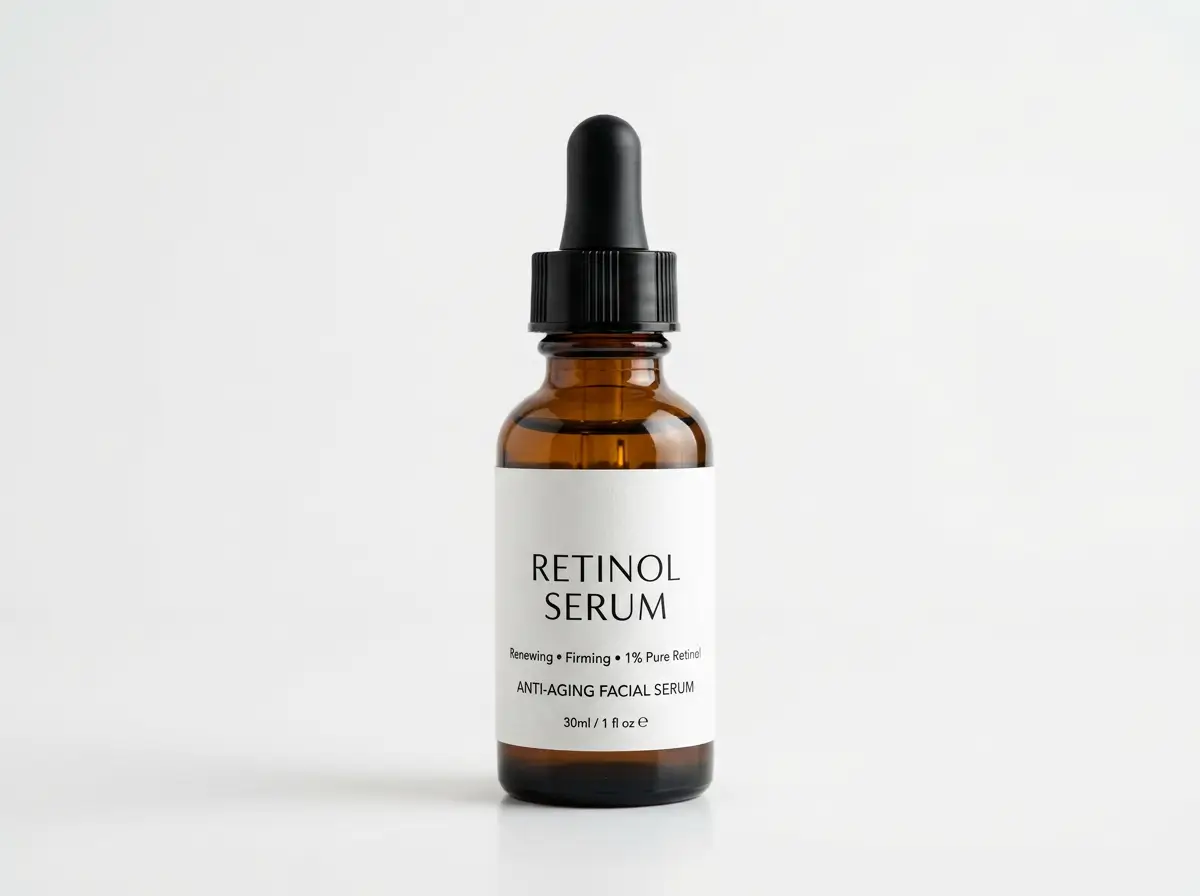
From Retinol Ingredient to Market-Ready Formula
Retinol ingredient selection is not simply choosing a retinol derivative. It involves evaluating formula requirements, product positioning and target market expectations against ingredient characteristics. Our approach examines each component within the complete formula context — ensuring the retinol system functions as part of a balanced formulation rather than as an isolated active ingredient.
Evaluating Retinol Ingredient Options
Retinol ingredient selection considers formula requirements, product positioning and target market expectations. Our evaluation examines ingredient characteristics against project objectives to determine appropriate approaches for each brand's development goals.
Combining Retinol With Supporting Ingredients
Supporting hydration systems, antioxidant ingredients and stabilizers must be assessed for formula compatibility with retinol components. The goal is to address compatibility factors during development and identify supporting systems that work with the active ingredients within a shared formula environment.
Creating Balanced Active Systems
The objective is not using the highest concentration or the most ingredients — it is building a rational system where each component has a defined role and contributes to the overall formula performance, stability and user experience consistently.
Creating a Structured Retinol Serum Formula Architecture
A commercial retinol serum must simultaneously address active ingredient requirements, product experience, stability and manufacturing consistency. The architecture below illustrates how these layers connect in the development process to form a complete formula system.
Evaluating Retinol Serum Stability Before Production
Stability assessment is one of the most critical phases in retinol serum development. Understanding how the formula behaves over time and across conditions helps brands make informed decisions before committing to full-scale production.

Formula Stability Assessment
Retinol formulations require systematic evaluation of formula consistency and ingredient interaction under various conditions. This assessment examines how the complete formula system behaves during the development period, identifying areas that may require attention before advancing to production stages.
- Formula consistency monitoring
- Ingredient interaction analysis
- Condition-based performance review
Product Protection Considerations
Retinol formulations benefit from appropriate protection strategies that support formula integrity through the product lifecycle. Our approach includes evaluating formula protection methods and packaging compatibility to help ensure the final product maintains expected characteristics from manufacturing through consumer use.
- Formula protection strategy development
- Packaging compatibility assessment
- Production-to-consumer lifecycle review
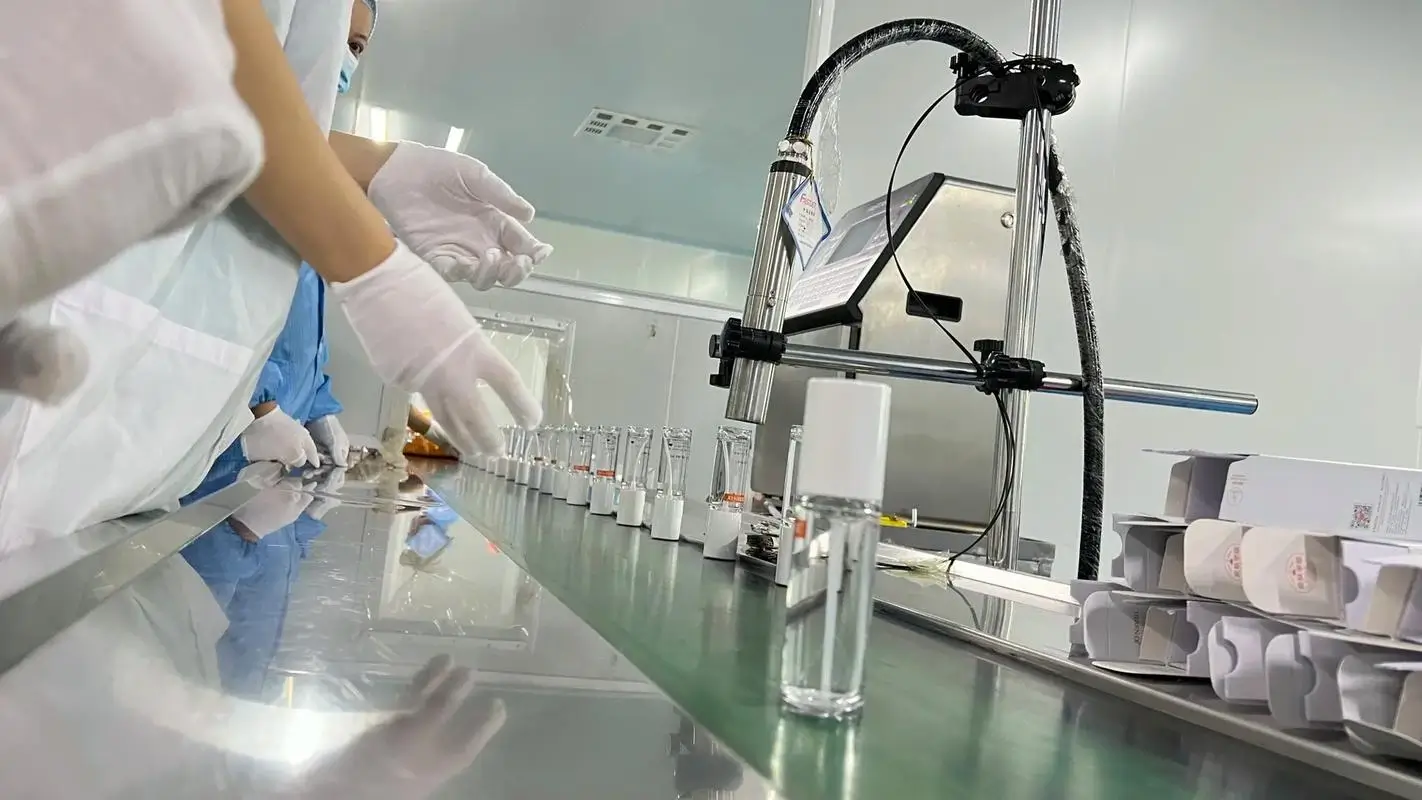
Long-Term Batch Consistency
Supply reliability and batch-to-batch consistency are key considerations for brands sourcing retinol serums. Our development methodology includes repeatability evaluation and production process standardization to help ensure the formula performs consistently across multiple production runs, reducing ongoing supply risk for brand partners.
- Batch repeatability evaluation
- Production process standardization
- Long-term supply consistency planning
Designing Retinol Serum Textures for Different Market Positions
Two retinol serums with similar active ingredient approaches can target completely different market positions based on product experience. Texture and sensory characteristics are often the differentiator that defines competitive positioning in the anti-aging serum segment — from daily-use lightweight formulations to premium treatment textures.

Lightweight Serum Development
Designed for daily skincare routines where fast absorption, comfortable wear and layering compatibility are essential. This texture profile suits brands targeting broad consumer adoption and morning routine integration across diverse market segments.
Rich Treatment Texture Development
Developed for premium skincare positioning where richer sensory characteristics communicate treatment value. This texture approach supports brands positioned at higher market tiers where product experience is a key element of consumer perception.
Layering Compatibility
Consumer usage habits vary significantly across markets and skincare routine structures. Development considers how the retinol serum layers with other products including moisturizers, sunscreens and additional treatment steps — ensuring integration into diverse daily routine patterns.
Moving Retinol Serum Formulas From Development to Production
Brand Requirement Assessment
Understanding product concept, target market positioning and specific development requirements for the retinol serum project.
Formula Direction
Defining the retinol approach, supporting ingredient systems and formula architecture aligned with brand development objectives.
Laboratory Development
Creating initial formula versions for performance evaluation, sensory assessment and stability indicator review in controlled laboratory conditions.
Evaluation
Systematic assessment of formula behavior, consistency indicators and sensory characteristics through structured evaluation cycles before advancing.
Production Preparation
Production process definition, manufacturing condition assessment and scale-up planning to prepare the formula for commercial volumes.
Commercial Manufacturing
Full-scale production with quality evaluation procedures, batch consistency verification and ongoing supply management for brand partners.
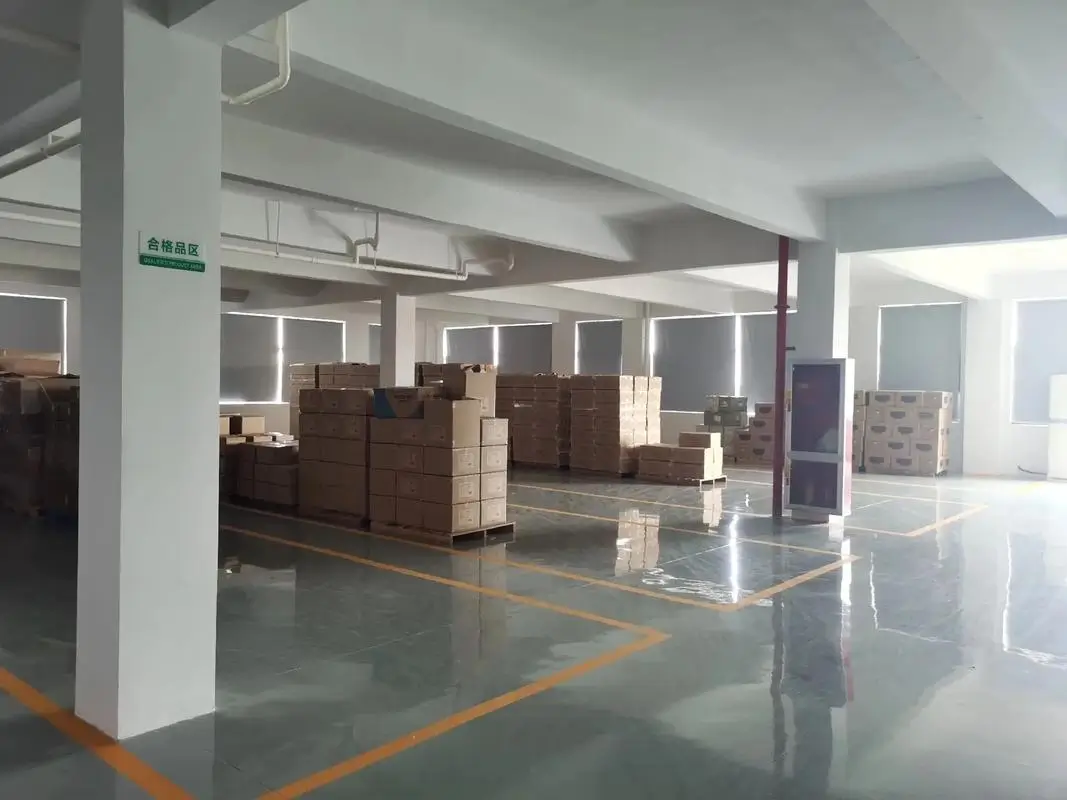
Scale-Up Considerations
- Production environment requirements
- Process parameter definition
- Volume-based formula behavior review
Quality Consistency
- Batch-to-batch evaluation procedures
- Production standard confirmation
- Supply consistency planning
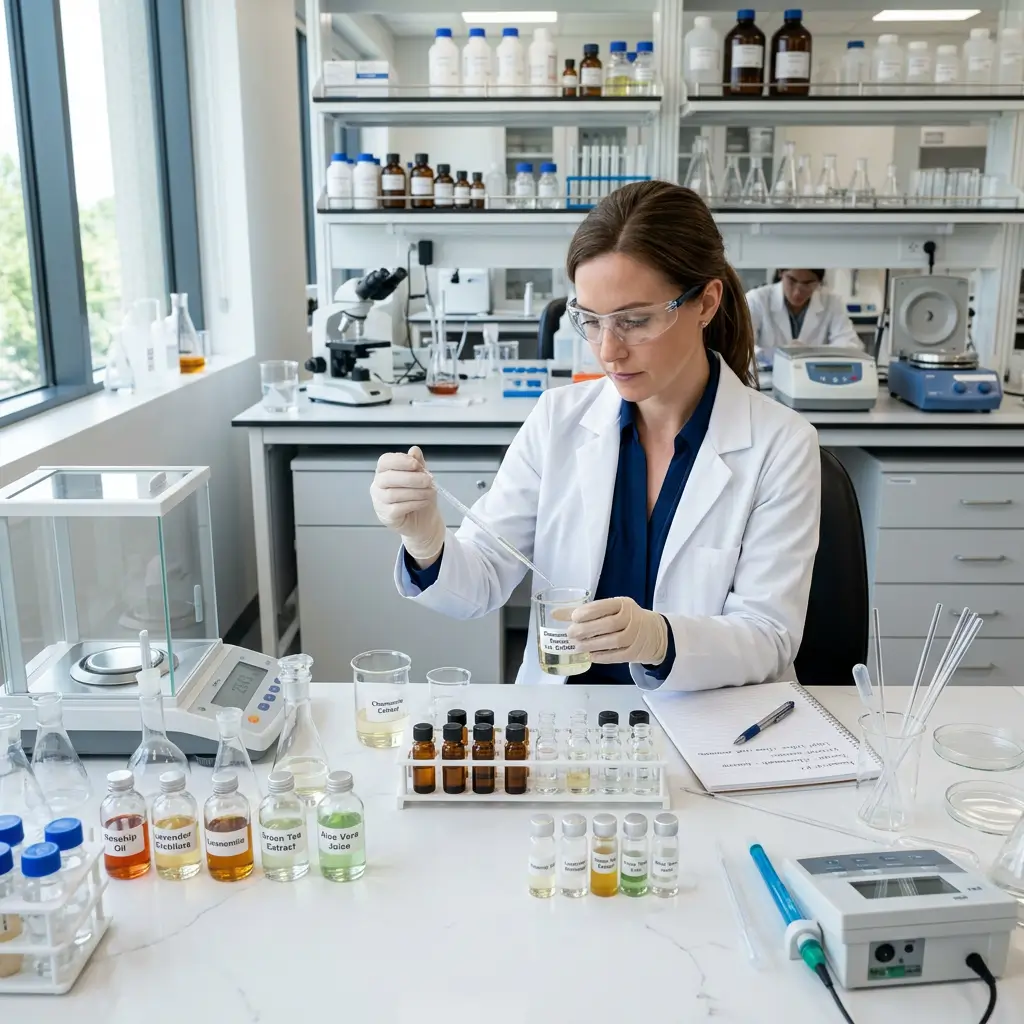
Scientists Supporting Retinol Serum Development
Common Retinol Serum Development Challenges
Brands developing retinol serum products encounter recurring technical challenges. Understanding these helps in planning the development approach effectively and addressing formulation risks before they affect project timelines.
Choosing the Right Formula Direction
Determining appropriate retinol approaches and formula architecture based on brand positioning, market requirements and product development objectives.
Managing Active Ingredient Compatibility
Evaluating how retinol components interact with other formula ingredients, supporting systems and the complete formulation environment.
Creating Stable Commercial Products
Developing retinol serum formulas that maintain expected characteristics throughout the product lifecycle under various storage and usage conditions.
Scaling Laboratory Samples
Ensuring formula performance and consistency when transitioning from development-scale samples to commercial production volumes without quality variation.
Retinol Serum Formulation Capability Overview
The following table outlines how we support brands across each key development area for retinol serum formulation projects.
| Development Area | How We Support Brands |
|---|---|
| Retinol Ingredient Evaluation | Assessing suitable ingredient approaches and formula direction |
| Formula Development | Building balanced serum structures for anti-aging product positioning |
| Stability Planning | Evaluating formula consistency requirements and protection strategies |
| Texture Development | Adjusting product sensory characteristics for target market segments |
| Manufacturing Preparation | Supporting transition from laboratory development to production |
Retinol Serum Formulation Questions