
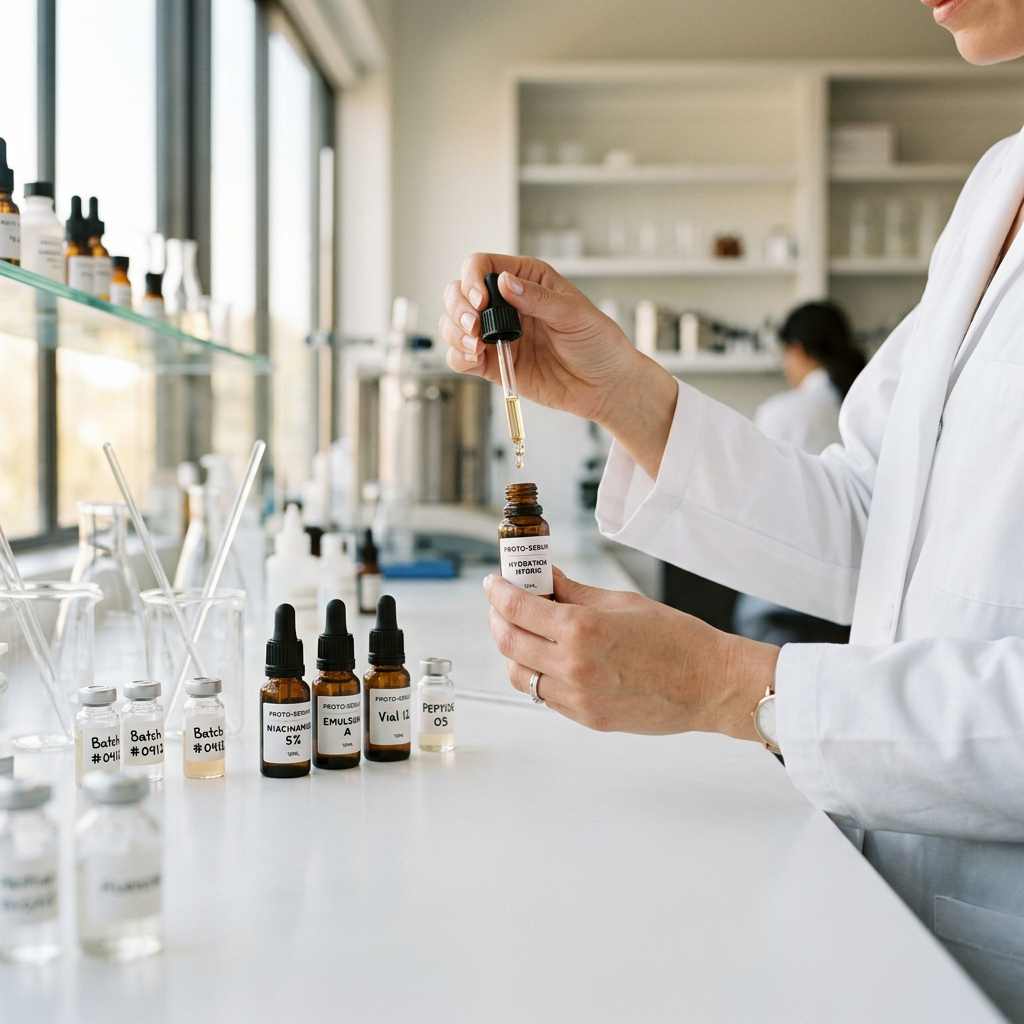
Anti-Aging Serum Formulation Development
From active ingredient evaluation through manufacturing preparation — connecting laboratory R&D with commercial production reality for skincare brands worldwide.
Our Philosophy
More Than Active Ingredients — A Systems Approach
Anti-aging serum development is not about adding trending ingredients to a base formula. Each decision — active selection, formula architecture, texture design, stability planning, and manufacturing parameters — forms an interconnected system where changing one variable shifts the entire matrix.
Our methodology maps these dependencies from concept stage through commercial production, treating formulation as the layered discipline it truly is.
Scale-Up
Performance
Sensory
Architecture
Formulation Strategy
A Structured Development Approach
Each phase builds on the previous — from market concept through to manufacturing readiness.
Product Concept
Evaluating target market positioning, category requirements and user expectations to guide formulation direction.
Active Ingredients
Selecting ingredient combinations based on objectives, compatibility assessment and development feasibility.
Formula Build
Laboratory sample preparation, iterative texture adjustment and systematic formula refinement.
Manufacturing Prep
Assessing production requirements and verifying scale-up feasibility for commercial volumes.
Active Ingredient Approach
Active Ingredient Selection in Serum Development
Each ingredient category is evaluated for its formula role and development implications — not consumer-facing claims.
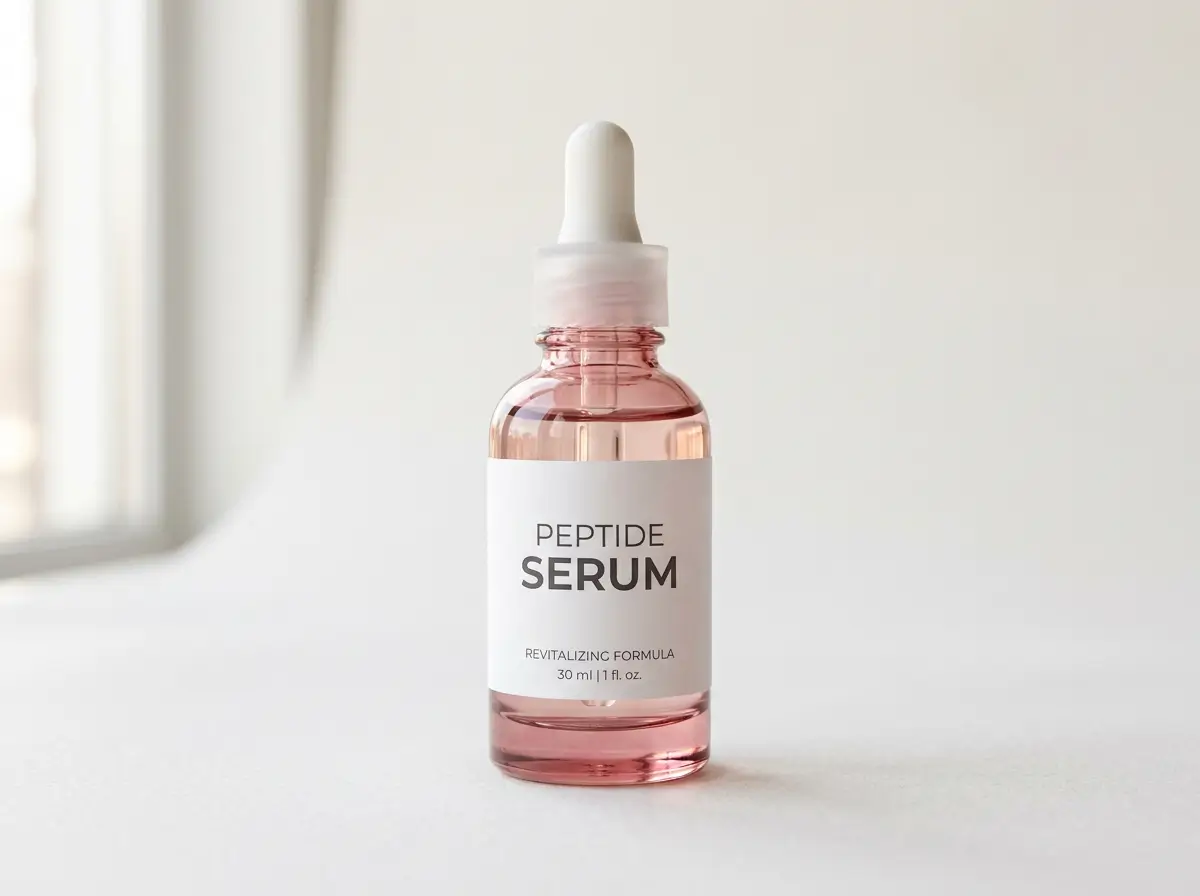
Peptide Ingredient Systems
Supporting advanced skincare formula concepts through structured peptide architectures and compatibility assessment.
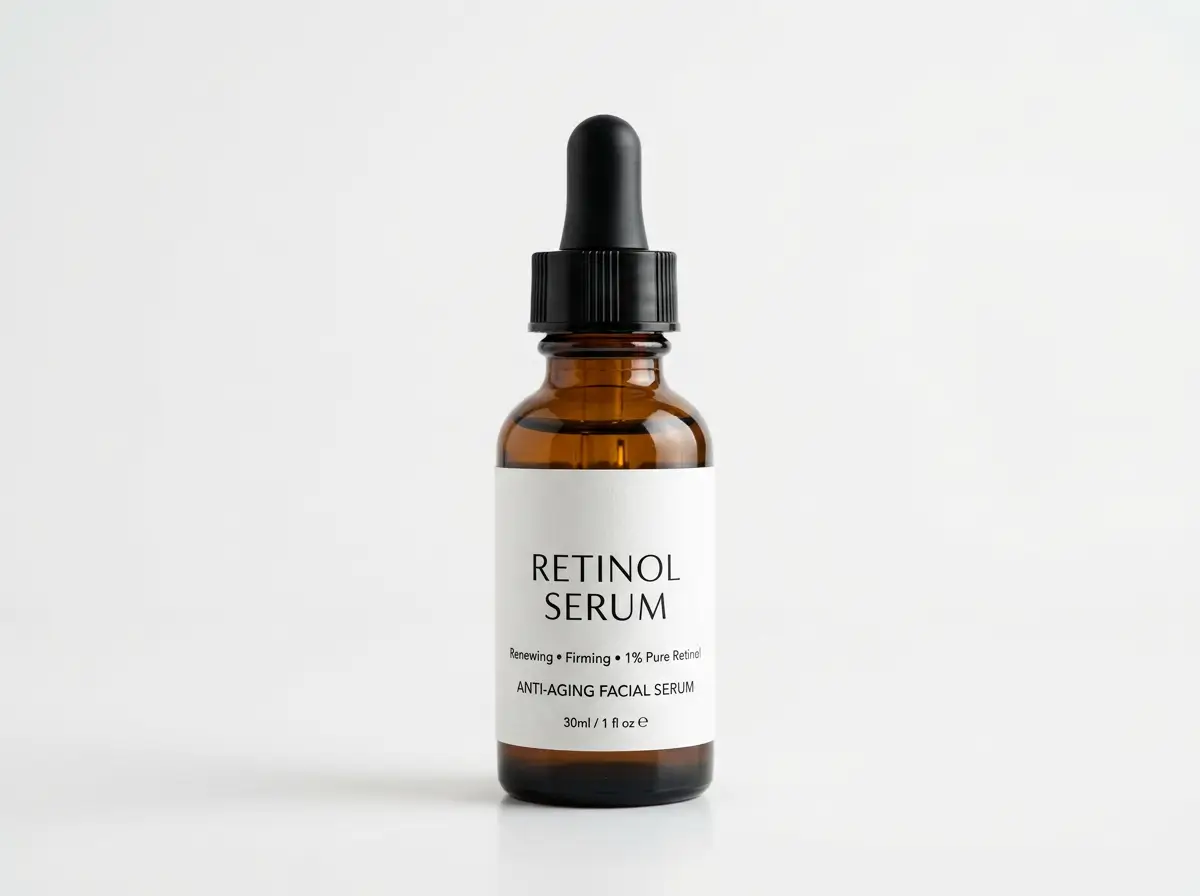
Retinoid Formulation Systems
Commonly considered in age-support formulations with specific processing and stability requirements.
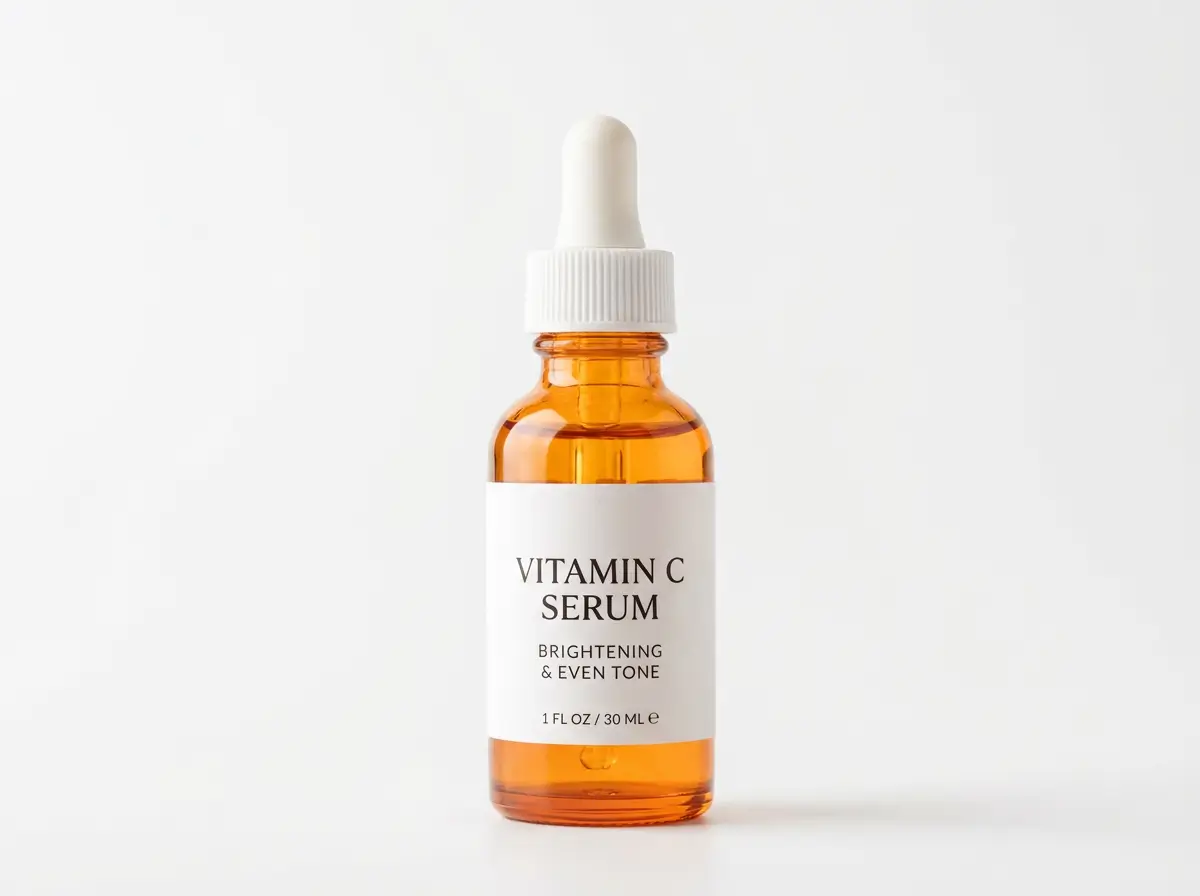
Antioxidant Protection Architecture
Supporting formula integrity through multi-layered antioxidant system design and balance evaluation.
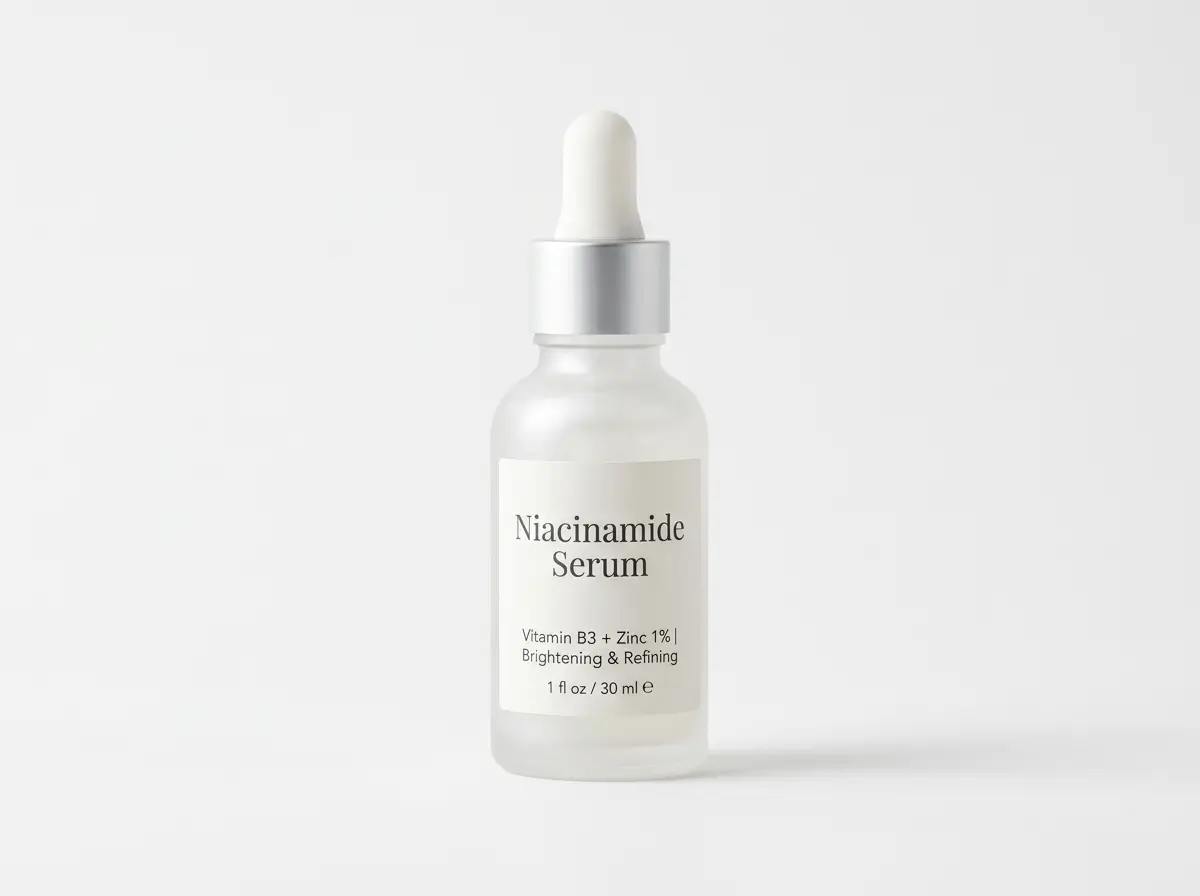
HA & Hydration Architecture
Contributing texture, viscosity and formula structure through advanced multi-weight hydration systems.
Formula Architecture
Building Balanced Anti-Aging Serum Formulas
A commercially effective serum is structured in layers — each tier serves a distinct technical function within the product matrix.
Active System
- Signal & Carrier Peptides
- Retinoid Compounds
- Vitamin C & Antioxidants
- Growth Factors & Peptides
Supporting Ingredients
- Penetration Enhancers
- Synergistic Boosters
- Humectants & Emollients
Texture System
- Viscosity Modifiers
- Sensory Enhancers
- Absorption Control Agents
Stability System
- Preservative Blend
- Chelating Agents
- pH Buffer & Antioxidants
A balanced commercial formulation requires not only an effective active system but also supporting ingredients for synergy, a texture system for user experience, and a stability system for consistent manufacturing — all working together within a single product matrix.
Technical Considerations
Beyond Active Ingredients
Successful serum formulation extends well beyond ingredient selection. These interconnected technical dimensions determine formula reliability in production.
Ingredient Compatibility
Evaluating how active ingredient combinations interact within a single formula matrix, including pH considerations and potential antagonistic relationships.
Formula Stability
Reviewing ingredient behavior under storage conditions — temperature cycling, light exposure, and oxygen sensitivity across the product lifecycle.
Texture Development
Adjusting absorption profile, viscosity and sensory characteristics to align with target market expectations and product positioning.
Packaging Compatibility
Assessing formula-container interaction to ensure active ingredient protection — airless pumps, UV-shielding, and material compatibility.
Development Process
From Concept to Commercial Production
Each formula is designed with manufacturing reality in mind from the earliest development stages.
Brand Concept Definition
Product vision, target market positioning, and category requirement mappingFormula Strategy & Architecture
Ingredient roadmap, compatibility assessment, and structural formula designLaboratory Sample Preparation
Initial bench samples, behavior observation, and preliminary texture evaluationIterative Formula Refinement
Systematic adjustment cycles — texture, stability indicators, and sensory optimizationPilot Batch Preparation
Scale-up verification at intermediate volumes, processing parameter documentationCommercial Manufacturing
Full-scale production with defined quality control and batch consistency protocolsR&D Expertise
Specialists Behind Serum Development
A multidisciplinary team combining formulation science, analytical chemistry, and manufacturing engineering.

Formulation Chemists
Active & Formula DesignResponsible for active ingredient evaluation, formula design, and laboratory sample preparation for anti-aging serum development.
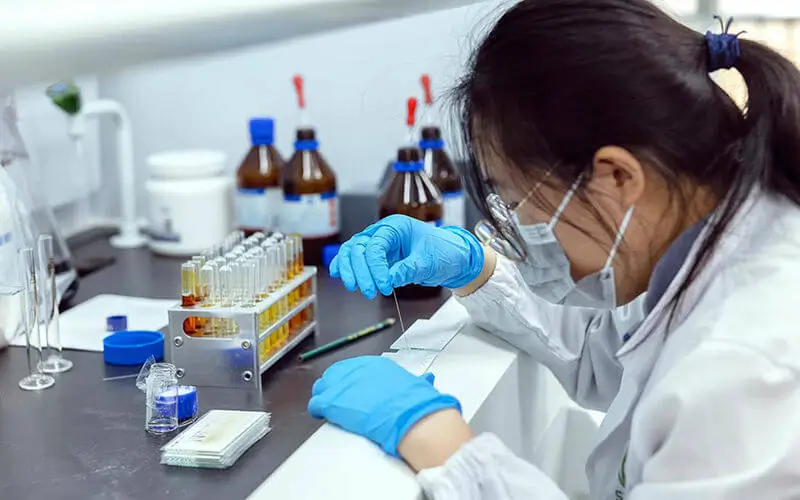
Laboratory Team
Testing & AssessmentResponsible for sample testing, formula performance assessment, and stability evaluation across different formulation conditions.

Manufacturing Team
Scale-Up & ProductionResponsible for transitioning formulas from laboratory development to consistent commercial-scale production.
Development Solutions
Common Formulation Challenges We Address
Brands developing anti-aging serums encounter predictable technical obstacles. Here is how we approach the most common ones.
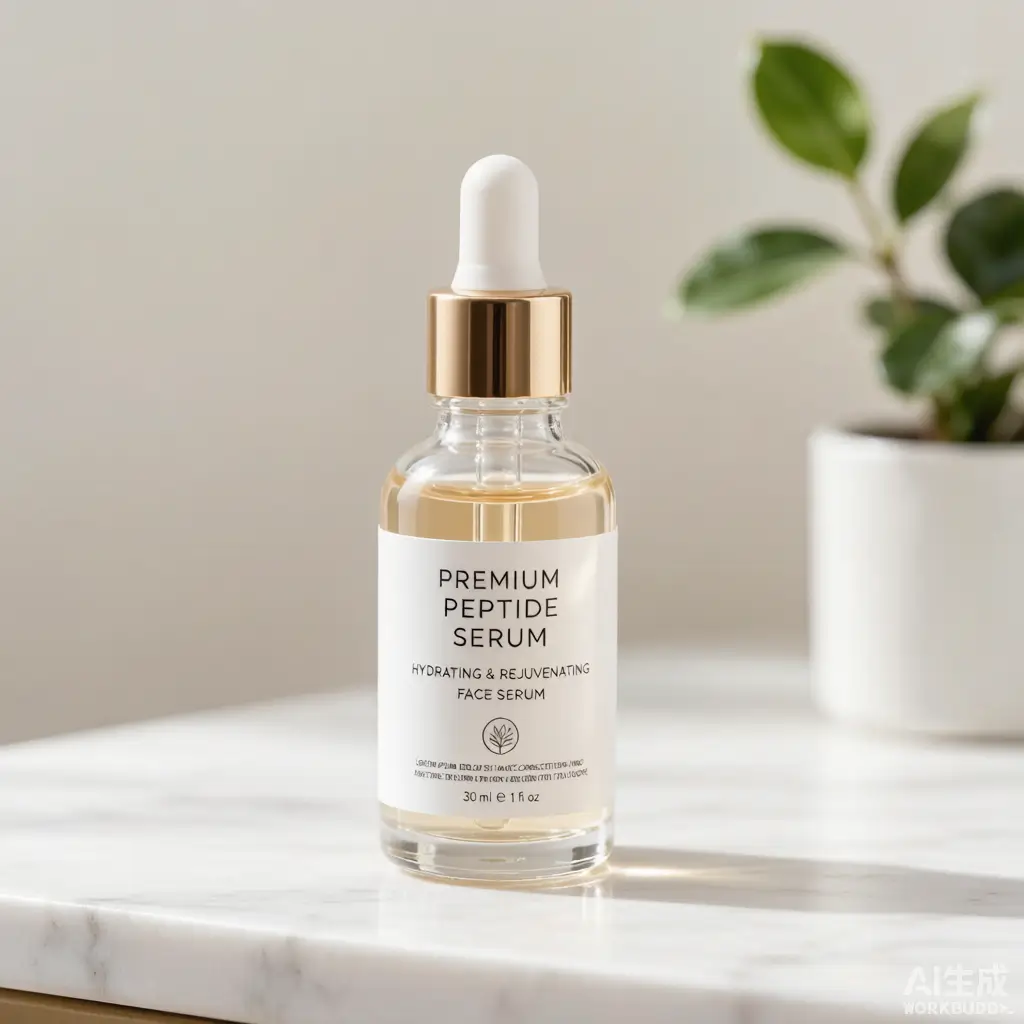
Combining Multiple Active Ingredients
Multiple active ingredients within a single formula can affect product stability and overall formula behavior, especially when combining peptide systems with other functional actives.
Systematic ingredient compatibility review during formula design, evaluating how each component interacts within the complete product matrix.
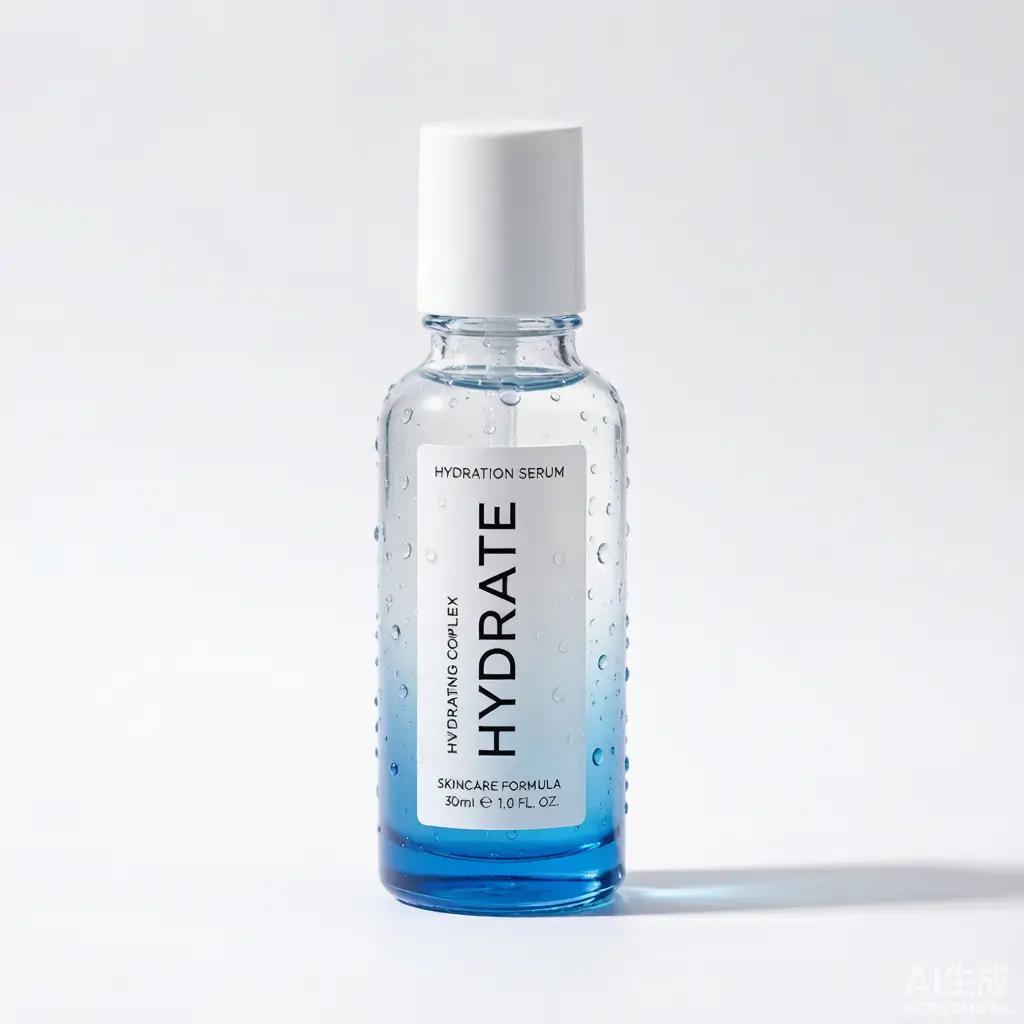
Creating Market-Suitable Texture
Different regional markets and product categories have distinct texture preferences. A single formula approach may not suit all target audiences across APAC, EU, and NA markets.
Multi-scenario texture evaluation and sensory testing, tailoring absorption and viscosity to specific market expectations.
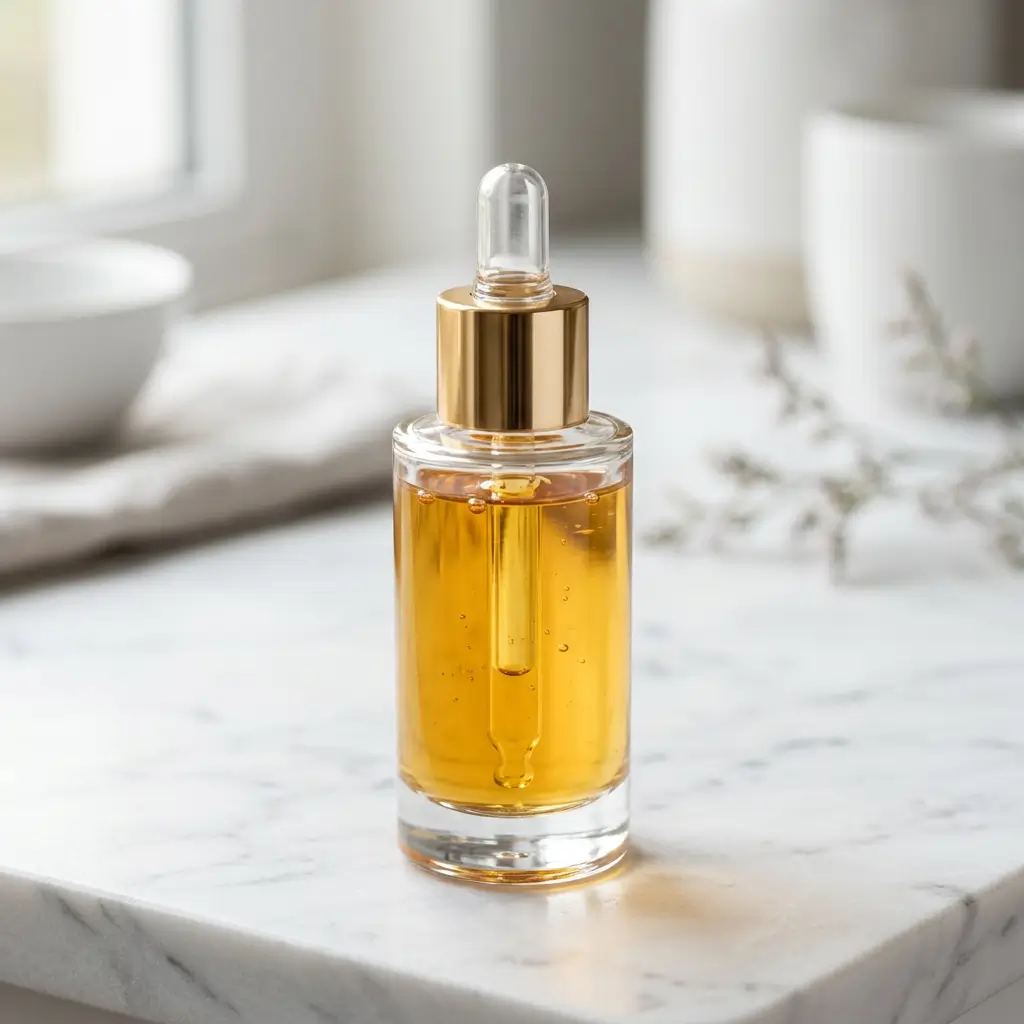
Moving From Sample to Production
A laboratory formula developed in small quantities cannot always be directly replicated at commercial production volumes without adjustment of processing parameters.
Integrated scale-up preparation, verifying formula behavior at increasing batch sizes and addressing production-specific requirements.
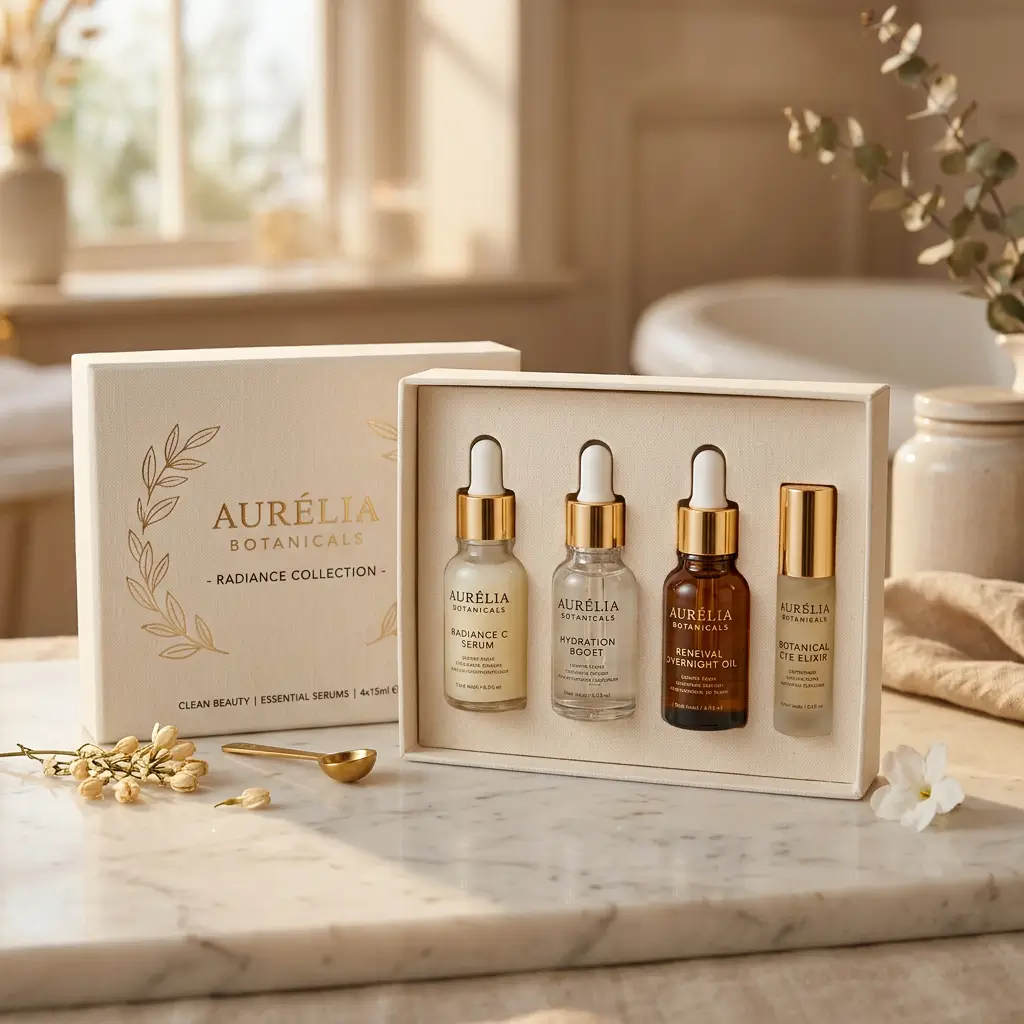
Maintaining Batch-to-Batch Consistency
Ensuring formula consistency across multiple production batches is essential for brand reliability, consumer trust, and regulatory compliance across different regions.
Structured process documentation and defined manufacturing parameters that support batch-to-batch consistency throughout the commercial lifecycle.
Capability Overview
Anti-Aging Serum Formulation Capabilities
A structured view of our development capabilities across the anti-aging serum formulation spectrum.
| Development Area | Manufacturing Application |
|---|---|
| Active Ingredient Strategy | Selecting suitable ingredient combinations aligned with product positioning and formulation objectives. |
| Formula Design | Building balanced serum structures that integrate active systems, texture requirements, and stability considerations. |
| Laboratory Development | Sample preparation, iterative adjustment, and formula refinement through systematic evaluation. |
| Stability Consideration | Reviewing formula consistency factors and ingredient behavior under various storage and processing conditions. |
| Scale-up Preparation | Connecting R&D with production requirements to verify formula behavior at increasing manufacturing volumes. |
Frequently Asked Questions
Anti-Aging Serum Formulation FAQ
Yes. We provide anti-aging serum formulation development services for skincare brands, with the ability to customize formulas based on your product concept, active ingredient preferences, and target market requirements.
Our R&D team works with peptides, retinoid-related ingredients, antioxidant systems (including tocopherol), and hydration-supporting ingredients such as hyaluronic acid. Selection is based on formula objectives and compatibility.
Yes. We include stability considerations during development, reviewing ingredient behavior and storage condition factors to support consistent product performance over time.
Development timelines vary based on formula complexity and ingredient selection. We follow a structured process from concept analysis through formula strategy, laboratory sample preparation, review, pilot preparation, and eventual manufacturing.
We prepare documentation related to formulation development, including ingredient lists and processing parameters. For specific regulatory dossier requirements, we recommend consulting the relevant guidelines in your target market.
Ready to develop your anti-aging serum formula?
Contact our formulation team to discuss your product concept and development requirements.