Peptide Serum Formulation Development for Skincare Brands
We develop peptide serum formulas by combining peptide ingredient evaluation, formula architecture, stability considerations and manufacturing requirements for skincare brands.
Developing Peptide Serums Requires More Than Adding Peptide Ingredients
Many brands assume a peptide serum is simply peptide ingredients added to a base formula. In practice, commercial peptide serum development requires careful planning across peptide selection, formula compatibility, supporting ingredient systems, texture design and manufacturing feasibility.
Peptide Serum Development Requires Careful Formula Planning
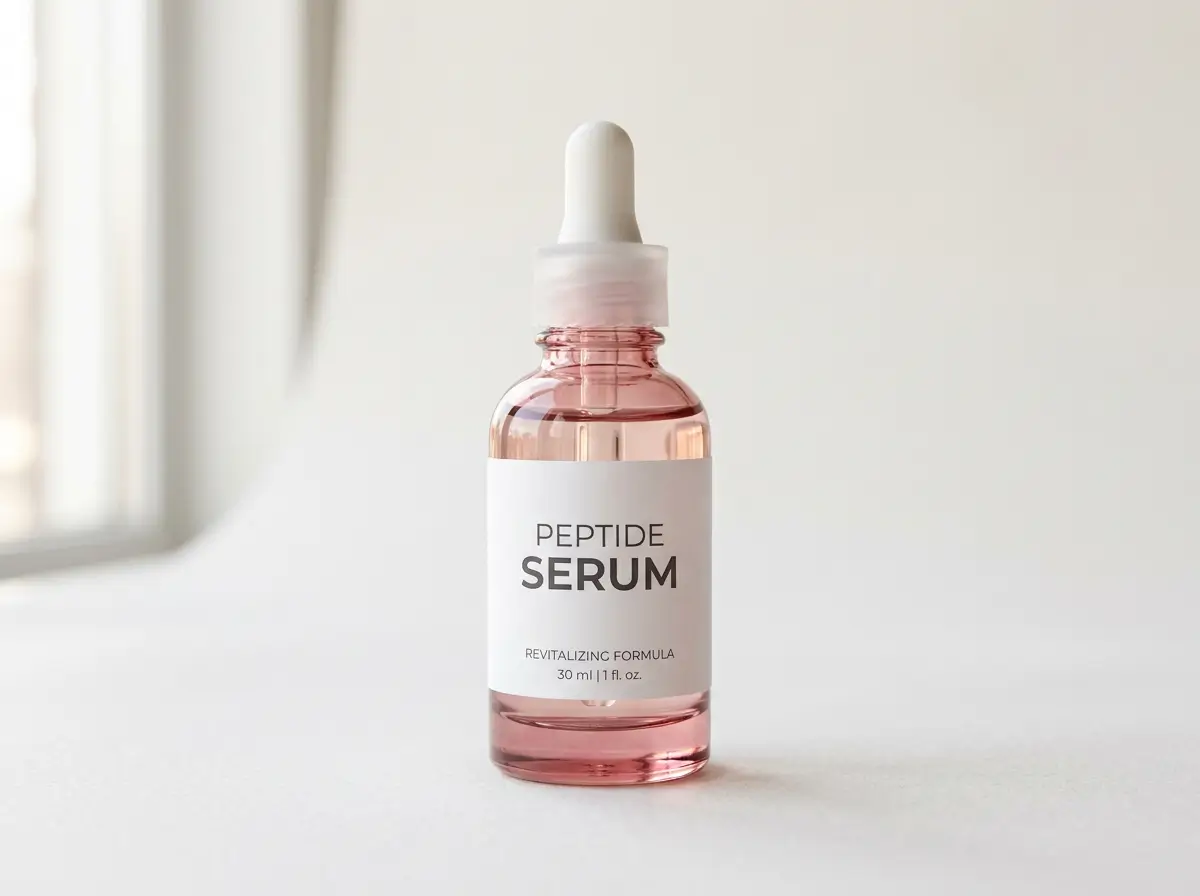
Peptide formulations present unique development considerations that require specialized planning. Brands benefit from working with teams who understand peptide behavior, formula architecture and production requirements.
Selecting Suitable Peptide Systems
Different brands require different product positioning and formula directions. Development work evaluates peptide characteristics against formula objectives to determine suitable approaches for each project — considering supporting ingredients and target market requirements.
- Formula objective evaluation
- Supporting ingredient consideration
- Product positioning alignment

Managing Peptide Compatibility
Combining multiple active ingredients in a peptide serum requires careful evaluation of ingredient interactions and formula environment. Development addresses these factors to help ensure all components work together within the formula system.
- Ingredient interaction assessment
- Formula environment optimization
- Multi-active compatibility review
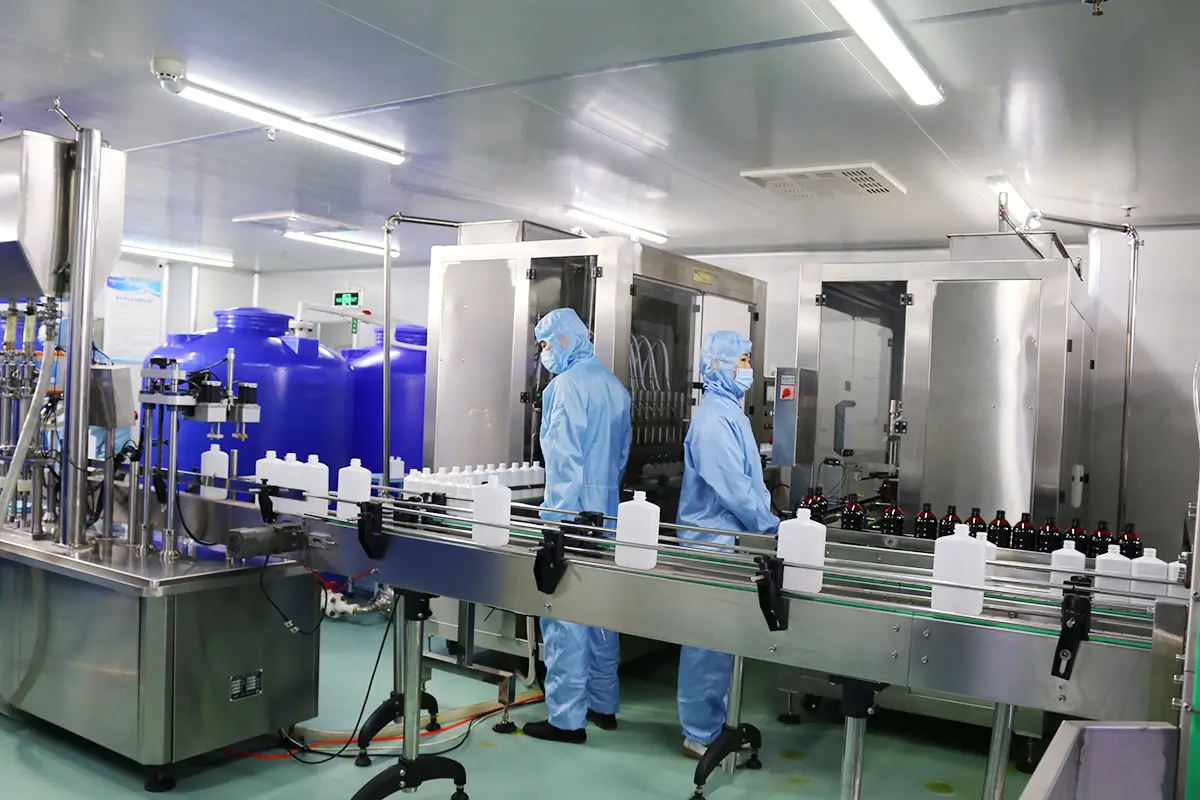
Preparing Formulas for Production
Laboratory success does not automatically translate to factory production. The transition from lab samples to commercial manufacturing requires process review, scale-up consideration and production environment assessment to help ensure consistent results at commercial volumes.
- Scale-up consideration and planning
- Manufacturing environment assessment
- Production process definition
Peptide Ingredient Selection for Serum Development
From Peptide Ingredient to Finished Serum
The path from peptide ingredient selection to finished serum involves evaluation at multiple stages. Each checkpoint ensures the peptide system performs as expected within the overall formula architecture — not simply individual ingredient performance but how all components work together as a complete formulation.
Peptide Category Evaluation
Different peptide categories suit different formula directions, product positioning and target market requirements. Our evaluation considers formula objectives alongside brand strategy before recommending peptide approaches.
Combining Peptides With Supporting Ingredients
Supporting hydration systems, antioxidant systems and other active ingredients must be evaluated for compatibility with the peptide components. The goal is to create a system where all components work together effectively.
Designing Formula Balance
The objective is not simply assembling multiple active ingredients. It is establishing a stable system where each component has a defined role and contributes to the overall formula performance consistently.
Creating Balanced Peptide Serum Formula Structures
A commercial peptide serum must simultaneously address ingredient performance, sensory experience, stability and production consistency. The architecture below shows how these layers connect in development.
Evaluating Peptide Formula Compatibility and Stability
Stability is a critical consideration in peptide serum development. Understanding how the formula behaves under different conditions helps brands make informed decisions before moving to production.
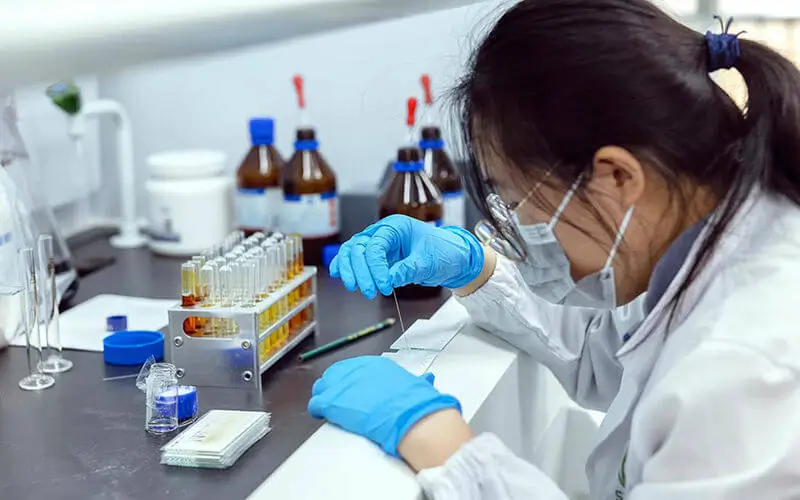
Ingredient Interaction Review
Peptide formulations require careful evaluation of how peptide components interact with other formula elements. This review examines the peptide environment and supporting ingredient compatibility to identify potential areas requiring attention during development.
- Peptide environment assessment
- Supporting ingredient compatibility
- Interaction pattern analysis

Formula Stability Assessment
Stability evaluation examines formula consistency over time and under different conditions. This includes monitoring how the formula behaves throughout the development cycle and assessing storage condition requirements to support informed product lifecycle decisions.
- Formula consistency monitoring
- Storage condition assessment
- Lifecycle stability evaluation
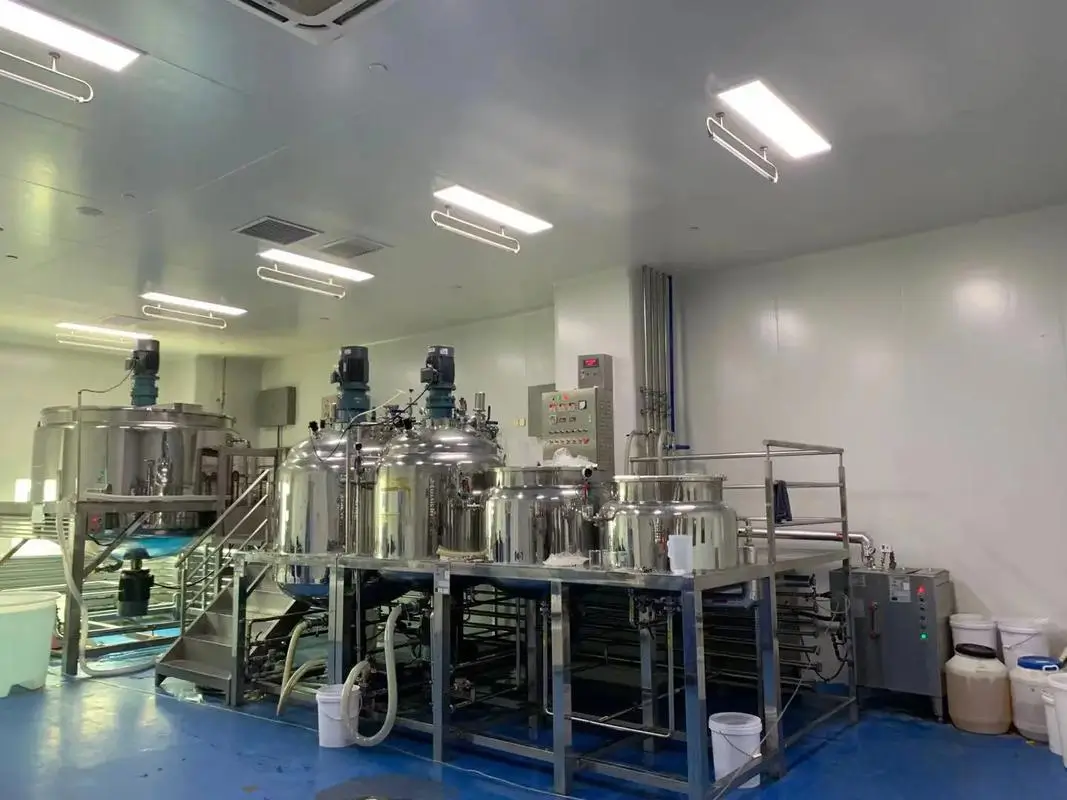
Batch Repeatability
Long-term supply consistency is a key concern for brands. Our development approach includes batch repeatability evaluation to help ensure the formula performs reliably across production runs, reducing supply risk and supporting ongoing commercial operations for brand partners.
- Batch-to-batch consistency review
- Long-term supply stability planning
- Production process standardization
Designing Peptide Serum Textures for Different Market Positions
Two peptide serums with similar active profiles can command different market positions based on product experience. In the premium anti-aging serum segment, texture and sensory characteristics are often the differentiating factor that defines competitive positioning.
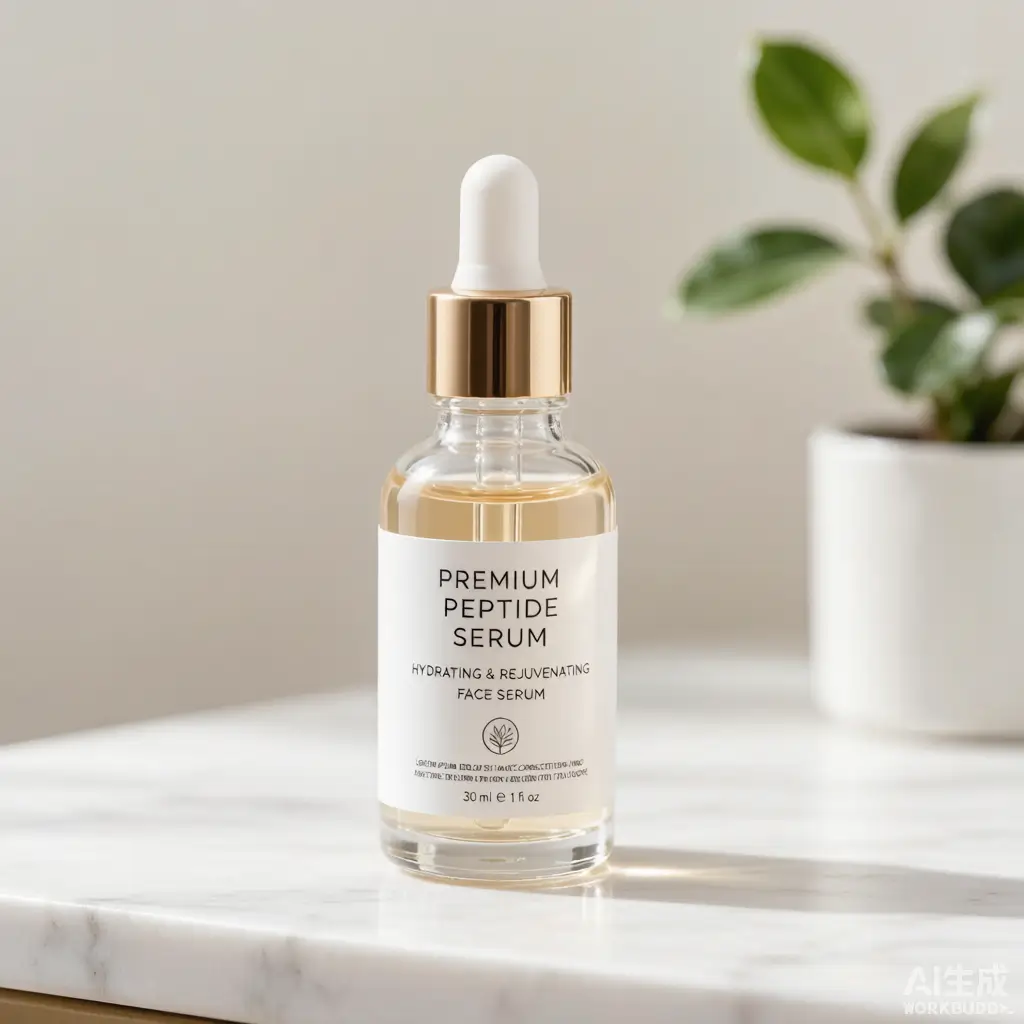
Lightweight Serum Development
Designed for daily skincare positioning where fast absorption and comfortable layering are important. Suitable for brands targeting morning routine integration and multi-step skincare regimens across broader market segments.
Rich Treatment Serum Development
Developed for premium anti-aging positioning where richer sensory characteristics communicate treatment efficacy. The texture supports brands positioned at higher market tiers targeting discerning consumers.
Layering Compatibility
Consumer usage habits vary across markets and skincare routines. Development considers how the peptide serum layers with other products and integrates into different daily regimen structures without compromising the overall skincare experience.
Moving Peptide Serum Formulas From Lab Samples to Production
Brand Requirement Assessment
Understanding product positioning, target market and technical requirements for the peptide serum project.
Formula Direction
Defining the peptide approach, supporting ingredient system and formula architecture aligned with brand objectives.
Laboratory Samples
Creating initial formula versions for evaluation of performance, sensory characteristics and stability indicators.
Evaluation
Systematic assessment of formula behavior, consistency and sensory profile through structured evaluation cycles.
Production Preparation
Process requirements definition, production condition assessment and scale-up planning for commercial manufacturing.
Commercial Manufacturing
Full-scale production with quality evaluation, batch review and consistency verification for ongoing supply.
Manufacturing Process Preparation
- Process requirements definition
- Production condition assessment
- Scale-up planning and review
Quality Evaluation
- Formula consistency verification
- Batch review and comparison
- Production standard confirmation
Scientists Supporting Peptide Serum Development
Common Peptide Serum Development Challenges
Brands developing peptide serums encounter recurring technical challenges. Understanding these helps in planning the development approach effectively and reducing formulation risks.
Selecting the Right Peptide Formula Direction
Determining suitable peptide approaches based on brand positioning, product objectives and target market requirements.
Combining Multiple Active Ingredients
Evaluating how peptide components interact with other active ingredients within the formula system.
Achieving Desired Texture
Developing sensory characteristics that match brand positioning while maintaining formula stability and active performance.
Scaling From Sample to Production
Ensuring the formula can be manufactured consistently at commercial volumes without quality variation or performance drift.
Peptide Serum Formulation Capability Overview
The following table outlines how we support brands across each development area for peptide serum projects.
| Development Area | How We Support Brands |
|---|---|
| Peptide Ingredient Evaluation | Reviewing peptide options and formula direction alignment |
| Formula Architecture | Developing balanced serum structures for anti-aging positioning |
| Compatibility Review | Evaluating peptide and active ingredient combinations |
| Texture Development | Adjusting sensory characteristics for target market segments |
| Production Preparation | Supporting transition from formula development to manufacturing |
Peptide Serum Formulation Questions