Too Dry After Application
Strong astringent or oil-reducing positioning can leave the skin uncomfortable. A modern oil-control serum should still maintain a pleasant hydration experience.

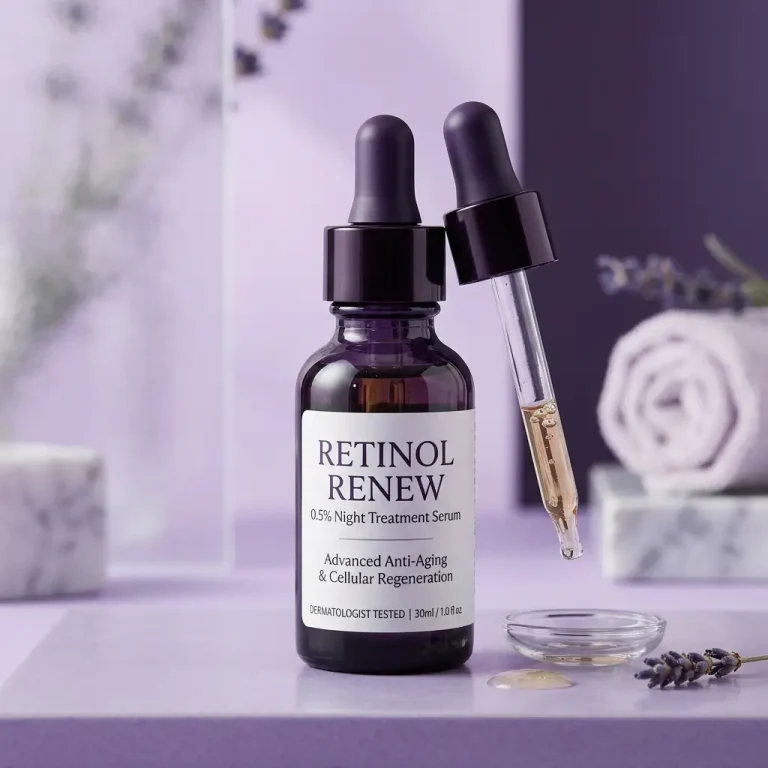
Develop a daily facial serum for oily and combination skin with a more controlled shine, comfortable hydration and a clean after-feel—without turning the formula into an overly aggressive oil-stripping treatment.
The real formulation challenge: oil control is not simply about “removing oil.” A successful serum has to balance sebum-related positioning, hydration, skin comfort, texture, preservation and consumer expectations at the same time.
Capabilities|OEM•Low MOQ•Custom Formulation•Mass Production•In-Stock Products
Formulation Logic
A serum can look effective on paper and still disappoint buyers if the skin feels tight after use, the formula pills underneath sunscreen, or the finish becomes greasy again within a short time. These are product-development problems, not just marketing problems.
Strong astringent or oil-reducing positioning can leave the skin uncomfortable. A modern oil-control serum should still maintain a pleasant hydration experience.
A formula designed for oily skin should not leave a noticeable film that conflicts with its own positioning or feels uncomfortable in warm climates.
Oily skin can still need hydration. Removing the hydration layer can make the product less suitable for daily routines and combination-skin users.
A crowded claim panel can make the product harder to trust. It is often stronger to define one primary benefit and several supporting benefits that the finished formula can substantiate.
The Balance Model
For an oil-control product, the formula can be viewed as four connected jobs. The right balance depends on the target skin type, climate, price point and intended claims.
Ingredient Map
There is no universal oil-control ingredient list. Different active families solve different formulation objectives, so the selection should follow the product brief rather than a fixed recipe.
A versatile ingredient for products positioned around oily or combination skin, barrier support and overall skin appearance. The final concentration and formula compatibility should be evaluated for the intended product.
Useful for brands looking for a more targeted oily-skin ingredient story. Supplier specification, compatibility and intended claims should be reviewed during formulation.
Can support a pore- and blemish-oriented concept, but its use, concentration, claims and regulatory treatment need to be considered for the destination market.
For brands targeting smoother-looking skin and pore appearance, carefully selected exfoliating systems may be considered where appropriate.
Green tea, centella and other botanical options can help create a more balanced positioning, depending on the desired formula story and sensory profile.
Consumer Use Cases
The emphasis can be on a light, balanced texture that supports hydration while avoiding a heavy finish in oilier areas.
A fast-spreading, low-residue serum can better match consumers who dislike rich skincare textures.
The product may be built around selected exfoliating or skin-conditioning ingredients, with claims and regulatory requirements reviewed for the target market.
A lower-tack, quick-set finish can become an important competitive advantage when consumers are sensitive to heavy or sticky skincare.
Sensory Development
Packaging Strategy
Oil-control products are often used frequently and layered with other products. Dispensing precision and clean handling can therefore matter as much as shelf appearance.
Product Brief
These are development directions rather than fixed specifications. Final formula and production details are confirmed after project evaluation.
Quality & Validation
Manufacturing Capability
Guangzhou Qianlan Biotechnology Co., Ltd. was established in 2004 and supports cosmetic formulation and manufacturing projects for international customers. The company reports a 200,000㎡ manufacturing site, 12 production lines, daily capacity of 500,000 units and a portfolio of 10,000 mature formulas.
Buyer Questions
It is a facial serum formulated or positioned for oily and combination skin, typically focusing on a less greasy feel, shine management, hydration and other concerns associated with excess oil.
Depending on the concept, ingredients may include niacinamide, zinc PCA, salicylic acid, humectants, soothing botanicals and other skin-conditioning ingredients. The final combination depends on the target product.
Yes. Oily skin can still benefit from hydration. A well-designed formula can combine a lightweight hydration system with an oil-control positioning without creating a heavy finish.
Yes. The texture and active system can be adjusted toward a more balanced daily-use experience for combination skin rather than using an aggressively oil-reducing approach.
Salicylic acid may be considered for suitable formulations, but its concentration, claims, labeling and regulatory treatment should be evaluated according to the destination market.
Yes. Lightweight watery serum, gel, silky serum and other low-residue textures can be considered according to the formula and brand positioning.
Dropper bottles and airless pumps are common options. The final package should be selected after evaluating dispensing behavior and compatibility with the finished formula.
Yes. Formula direction, active ingredients, texture, bottle, decoration, labeling and fill volume can be discussed according to the brand’s requirements.
MOQ is flexible and depends on the formula, packaging configuration and production requirements of the project.
Custom Serum Development
Tell us the skin type, target market, preferred finish, hero ingredients and packaging direction. We can start from the product problem you want to solve rather than forcing your project into a standard serum formula.
WhatsApp: +86 130 0688 9666 · Email: sales@essencemanufacturer.com