Hydrolyzed HA + Glycerin
A straightforward humectant-led architecture for a simple daily hydration proposition.

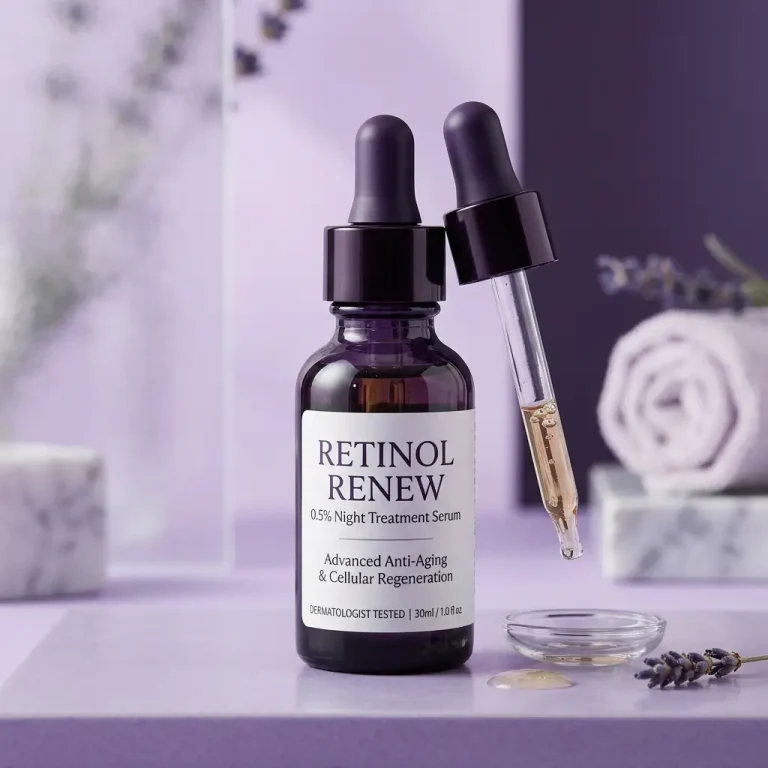
A lightweight facial serum built around hydrolyzed hyaluronic acid for brands looking for a fast-spreading, water-based hydration concept. The formula can be developed around molecular characteristics, texture, supporting humectants, packaging and the intended market.
Capabilities|OEM•Low MOQ•Custom Formulation•Mass Production•In-Stock Products
Why This Format
Hyaluronic acid products are not all designed to feel the same. For brands that want hydration without a thick or overly coated finish, hydrolyzed HA can be used as part of a lighter formula architecture. The key is to design the complete system rather than relying on the ingredient name alone.
Problem 01
The formula can be tuned around polymer level, humectant balance and viscosity to create a cleaner after-feel.
Problem 02
A lighter serum architecture can be designed to sit more comfortably underneath moisturizer and sunscreen.
Problem 03
Hydrolyzed HA gives the product team a more specific ingredient story than simply calling the product a basic hyaluronic acid serum.
Ingredient Architecture
“Hyaluronic acid” describes a family of materials with different molecular-weight characteristics. A hydrolyzed grade is produced by breaking larger HA chains into smaller fragments. For B2B product development, the relevant question is not simply whether the ingredient is hydrolyzed, but which material specification fits the finished product.
Supporting System
The supporting ingredients should have a reason to be there. Different combinations can move the product toward a minimalist hydration serum, a barrier-support concept or a more active-led formula.
A straightforward humectant-led architecture for a simple daily hydration proposition.
A comfort-oriented combination suitable for a skin-conditioning and moisture-focused concept.
A broader daily-care direction combining hydration with an ingredient-led skin-conditioning story.
A more substantial barrier-care concept when the brand wants a richer product story and sensory profile.
Sensory Target
Very light spread with a quick, fresh finish.
More body and slip while remaining easy to layer.
A more substantial sensory profile for premium moisturizing concepts.
Development Checkpoints
Confirm the hydrolyzed HA grade, specification and supplier documentation.
Evaluate spreading, absorption, residue and interaction with other routine products.
Check clarity, color and any changes during stability evaluation.
Confirm the dispenser works with the serum viscosity and the final package performs as intended.
Review formula, labeling and claims against the requirements of the destination market.
Packaging Direction
A low-viscosity hydration serum does not need to be locked into one bottle format. The dispensing system should be chosen after the target viscosity and consumer experience are defined.
A familiar format for active and ingredient-led facial serums.
A clean, modern option that can suit premium skincare ranges.
Convenient for routine-oriented products and larger fill sizes.
Bottle shape, capacity, decoration and dispensing system can be discussed for the project.
B2B Specification
Manufacturing Background
Guangzhou Qianlan Biotechnology Co., Ltd. was established in 2004 and reports a 200,000㎡ factory, 12 production lines, daily capacity of 500,000 units, 10,000 mature formulas, 100+ patents and customers across more than 100 countries and regions.
B2B FAQ
Hydrolyzed hyaluronic acid is produced by breaking larger hyaluronic acid chains into smaller molecular-weight fractions. The exact characteristics depend on the material specification and manufacturing process, so the supplier specification should be confirmed for the intended formula.
It can be used in lightweight serum concepts. The final feel is determined by the entire formula, including HA grade, concentration, other humectants, polymers and the water phase rather than by the hydrolyzed ingredient alone.
A multi-molecular HA system can be considered when the product brief calls for different molecular-weight materials. The appropriate combination depends on the target sensory profile, formula architecture and claims strategy.
Yes, a fragrance-free direction can be considered when it matches the product brief. Preservation, stability, raw-material characteristics and packaging compatibility still need to be evaluated as part of the complete formula.
Yes. The target country should be identified at the beginning of development so the ingredient system, product claims, labeling and other requirements can be reviewed against the applicable market framework.
Dropper bottles, pumps and airless systems can all be considered. The final choice should be based on viscosity, dispensing dose, consumer experience, formula-package compatibility and brand positioning.
A reference sample can be used to communicate target viscosity, spread, absorption, appearance and after-feel. The resulting product should still be independently evaluated for its formula, stability, compatibility and market requirements.
MOQ is flexible and depends on the selected formula, fill size, packaging and production configuration. The quantity can be discussed according to the individual project.
Next Step
Tell us your target molecular-weight direction, texture, supporting ingredients, packaging preference and destination market. A clear product brief is the best starting point for sample development.