Vitamin C Core
The selected vitamin C form determines much of the formula architecture, sensory profile and positioning.

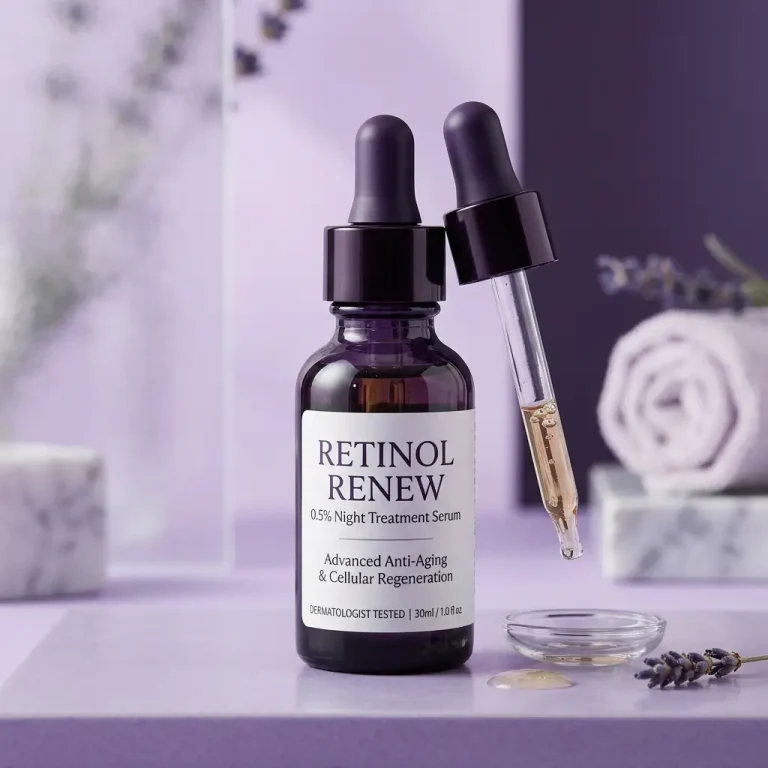
A carefully balanced facial serum concept pairing vitamin C with ferulic acid for antioxidant-focused daily facial care. The development priority is not simply a high active percentage, but a formula that balances efficacy positioning, freshness, texture, stability and everyday usability.
A recognizable active story for a more radiant-looking complexion.
Complements an antioxidant-led formula strategy.
Built around protection, compatibility and practical daily use.
Capabilities|OEM•Low MOQ•Custom Formulation•Mass Production•In-Stock Products
The Real Formula Challenge
A vitamin C serum can look impressive on an ingredient list while still creating problems with color change, oxidation, pH, skin feel or routine compatibility. A better product starts with the finished serum experience and works backward to the active system.
Vitamin C selection, pH, water activity, oxygen exposure, packaging and supporting antioxidants all influence the finished product.
A fresh-feeling texture, sensible application and appropriate packaging can matter just as much as the active story when building repeat use.
Active System
Vitamin C and ferulic acid are widely associated with antioxidant-oriented facial formulations. The pairing gives the product a clear active identity, while the actual formula must determine the appropriate vitamin C form, concentration, pH and supporting system.
The selected vitamin C form determines much of the formula architecture, sensory profile and positioning.
Ferulic acid contributes to the antioxidant story and can be incorporated as part of a broader protective system.
Packaging and oxygen management should be considered together with the antioxidant system.
Vitamin C Selection
“Vitamin C serum” does not describe one single formulation. Different vitamin C derivatives have different formulation requirements and sensory characteristics. Choosing the form should begin with the intended product experience and claims.
A classic choice for high-performance vitamin C positioning, with tighter requirements around pH, oxidation and packaging.
A derivative that can support different formulation and skin-comfort directions from a traditional low-pH L-ascorbic acid serum.
Useful when a product concept calls for a different vitamin C delivery approach and a gentler-feeling formula direction.
A popular derivative for modern facial serum concepts where a lightweight feel and contemporary positioning are priorities.
Supporting Antioxidant
Ferulic acid is not simply a decorative ingredient on an INCI list. Its inclusion should make sense within the antioxidant system, solubility strategy and overall formula architecture.
It strengthens the recognizable antioxidant story of a vitamin C facial serum.
The complete formula needs to accommodate ferulic acid appropriately rather than treating every active as independently interchangeable.
Vitamin C, ferulic acid, other antioxidants, solvents, pH and packaging should be evaluated as one system.
Stability Strategy
Vitamin C formulations can be sensitive to oxygen, light, temperature and formulation conditions. Stability planning therefore needs to continue beyond the mixing tank and into the selected packaging.
Assess the selected vitamin C form, quality specifications and compatibility with the planned formula.
The appropriate pH range depends on the vitamin C form and complete formula rather than a universal “vitamin C pH.”
Airless pumps, opaque containers or other suitable formats can be evaluated according to formula sensitivity and dispensing needs.
Appearance, color, odor, pH, viscosity, microbiological quality, stability and package compatibility should be assessed before launch.
Sensory Direction
A strong active story does not require a heavy or complicated sensory experience. The texture can be tuned according to the target routine, climate and desired finish.
Fast-spreading and suitable for customers who prefer minimal residue.
Adds a more substantial application experience without becoming cream-like.
A softer visual and cushioning feel for a more premium facial-care direction.
A richer direction where emollient comfort is part of the product identity.
Packaging Matters
For oxidation-sensitive vitamin C concepts, packaging should not be selected only for appearance. Light exposure, oxygen ingress, dispensing frequency and material compatibility all deserve attention.
Useful for controlled dispensing and reduced repeated exposure.
Can provide a stronger visual barrier against light depending on the package construction.
Can be considered where a classic serum presentation is important and the formula-package system supports it.
A smaller format may suit products where freshness after opening is a major part of the concept.
Product Positioning
Instead of relying on generic “glow” language, the serum can be positioned around a defined customer concern and a clear daily-use experience.
Position the formula around a more radiant and refreshed-looking complexion.
Use the vitamin C + ferulic acid pairing as the central product story.
Combine a refined texture, considered packaging and evidence-supported claims rather than relying on active concentration alone.
Development Path
The development process should keep the formula, packaging and intended customer experience connected from the beginning.
Decide whether the serum is aimed at daily brightening, mature-skin care, antioxidant routines or another specific facial-care need.
Choose the vitamin C form and supporting antioxidant system according to the desired performance and formulation environment.
Adjust viscosity, spreadability, absorption and finish so the serum feels appropriate for its intended routine.
Evaluate stability, packaging compatibility, microbiological quality and the finished sensory profile before final production.
Manufacturing Background
Guangzhou Qianlan Biotechnology Co., Ltd. was established in 2004. The company reports a 200,000㎡ factory, 12 production lines, daily capacity of 500,000 units, more than 10,000 mature formulas, 100+ patents, a team of 1,000 and customers in more than 100 countries and regions. Flexible customization is available for product development.
Questions Before Development
The combination creates a recognizable antioxidant-focused facial serum concept. Ferulic acid can complement the antioxidant system, while the exact benefit and stability depend on the complete formula.
No. Different vitamin C derivatives can be considered. The appropriate choice depends on the desired claims, formulation conditions, stability target and sensory experience.
Color change can be influenced by vitamin C form, oxygen, light, pH, heat, other ingredients and packaging. Formula optimization, suitable packaging and stability testing are all important.
A lower-irritation direction can be considered through vitamin C form, concentration, pH and supporting ingredients. The final product should be evaluated for tolerability and appropriate claims.
A lightweight fluid or silky gel is common, but the best texture depends on the target market and formula. A richer serum can also be developed when conditioning is part of the product positioning.
Vitamin E is another commonly considered antioxidant component in vitamin C serum systems. Whether it is appropriate depends on the chosen vitamin C form and the complete formula architecture.
Airless pumps, opaque containers and other protective formats can be evaluated according to the formula’s sensitivity and dispensing requirements. Package compatibility testing is recommended.
Yes. The vitamin C form, active level, supporting ingredients, texture, fragrance approach, packaging and overall product direction can be adjusted according to the intended facial serum concept.
Shape the Formula Around the Product
Share your preferred vitamin C form, target skin feel, active direction and packaging idea. The development can then be shaped around stability, usability and the customer experience you want to create.