Clean Skin
The serum can be positioned as a lightweight step after cleansing.

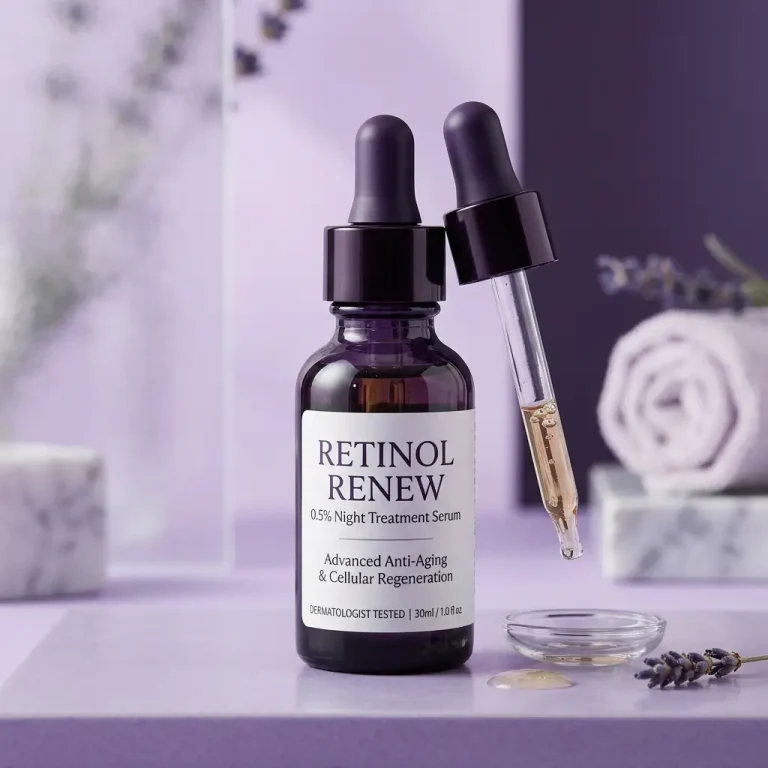
A lightweight facial serum developed around aloe vera for brands looking for a fresh, comfortable hydration concept. The formula can be adjusted around skin feel, hydration level, supporting ingredients, packaging and the intended facial care routine.
Hydration Concept
Fresh • Light • Comfortable
Capabilities|OEM•Low MOQ•Custom Formulation•Mass Production•In-Stock Products
Product Challenge
A hydrating facial serum has to do more than contain a familiar moisturizing ingredient. Too much tackiness can make layering unpleasant, while an overly thin formula may not deliver the sensory experience expected from a serum.
For this reason, the aloe vera concept can be developed around the complete formula rather than treating one ingredient as the entire product story.
A lighter sensory profile can suit customers who dislike a dense or oily finish.
The texture can be considered for use beneath moisturizer, sunscreen and other facial products.
Sensory development can focus on a clean, hydrated finish without making the product feel overly rich.
Formula Architecture
The supporting system can be selected according to the desired hydration level, skin feel and product positioning. This creates room for several different versions of the same aloe vera serum concept.
Texture Lab
Texture is one of the easiest ways to differentiate a facial serum. Instead of treating viscosity as a fixed specification, the product can be developed around the intended application and customer preference.
Product Experience
The serum can be positioned as a lightweight step after cleansing.
A small amount can be spread evenly across the face according to the final product directions.
The texture can be optimized for layering with moisturizer and other facial care products.
For daytime use, the final product directions can include sunscreen where appropriate.
Packaging Direction
The package is part of the product experience. Capacity, dispensing method and visual treatment can be selected around the formula viscosity and the brand’s desired positioning.
Development Checkpoints
Color, clarity and visual consistency should match the agreed sample and specification.
The final viscosity should support the selected bottle, dispenser and intended application experience.
Relevant stability testing helps assess whether the formula maintains its expected characteristics over time.
Appropriate microbiological and preservation evaluation is part of finished-product development.
Formula and packaging should be evaluated together before final production approval.
Manufacturing Background
Guangzhou Qianlan Biotechnology Co., Ltd. was established in 2004 and operates a reported 200,000㎡ factory with 12 production lines and daily capacity of 500,000 units. The company reports 10,000 mature formulas, 100+ patents, a team of 1,000 and customers across more than 100 countries and regions.
Product Questions
Aloe vera is commonly used in cosmetic formulas designed around hydration and a fresh, comfortable skin feel. The finished product claims should be based on the final formula and the requirements of the intended market.
Yes. Hyaluronic acid can be considered as part of the hydration system when its grade, level and the complete formula are compatible with the desired texture and product positioning.
Possible directions include a watery serum, lightweight fluid, soft gel or a more cushioned hydrating texture, depending on the formula architecture and desired sensory profile.
A fragrance-free formula direction can be considered. The complete product should still undergo appropriate preservation, stability and compatibility evaluation.
Yes. Ingredients such as glycerin, panthenol or hyaluronic acid may be considered depending on the desired product profile, compatibility and target market requirements.
Yes. Bottle material, capacity, dispenser, color, decoration and secondary packaging can be discussed according to the formula and brand requirements.
MOQ is flexible and depends on factors such as formula, fill size, packaging and production configuration. Requirements can be reviewed according to the individual project.
Yes. The destination market should be identified during development so applicable ingredient, labeling and cosmetic claim requirements can be considered before the final formula and product communication are approved.
Next Step
Share your preferred texture, hydration concept, supporting ingredients, packaging and destination market. A clear product brief helps turn the aloe vera concept into a finished facial serum.