01
Lipid Selection
Different ceramide materials can have different formulation characteristics, so ingredient selection should match the intended product architecture.

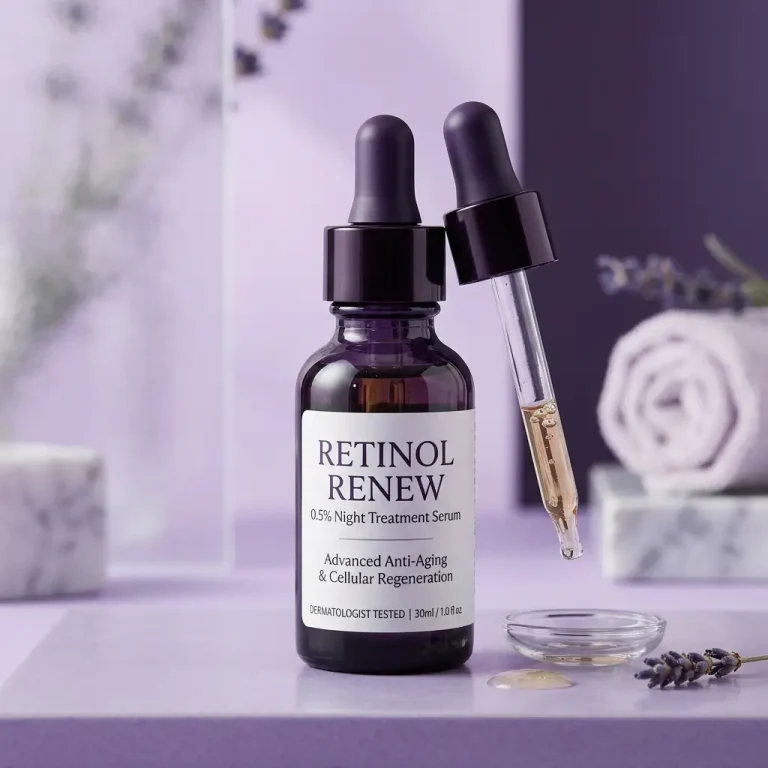
A ceramide-focused facial serum developed for brands looking to build a barrier-care product with a comfortable skin feel, carefully selected lipids and a flexible formula and packaging specification.
Capabilities|OEM•Low MOQ•Custom Formulation•Mass Production•In-Stock Products
Product Story
Ceramide products are often reduced to a single ingredient story. In practice, a finished serum depends on the relationship between ceramides, supporting lipids, humectants, emollients, texture and packaging.
This gives brands room to create different product experiences, from a light daily serum to a richer barrier-focused treatment concept.
Formula Architecture
A starting specification for a ceramide repair serum project. Final details are confirmed according to the approved formula and packaging.
Ingredient Insight
Ceramides are naturally occurring lipids associated with the skin barrier. For a cosmetic serum, the useful manufacturing question is not simply whether ceramide is present, but how the selected lipid system works within the finished formula.
01
Different ceramide materials can have different formulation characteristics, so ingredient selection should match the intended product architecture.
02
Ceramides can be formulated alongside other skin-conditioning lipids and supporting ingredients to create a more complete formula concept.
03
A barrier-care product does not have to feel heavy. The vehicle can be adjusted around the desired spread, absorption and finish.
04
The complete emulsion or serum system needs appropriate stability evaluation before commercial production.
The term “ceramide” covers multiple cosmetic ingredients. Selecting the right material is part of developing the final product, not just a labeling decision.
A commonly used cosmetic ceramide for barrier-oriented formulations and a useful starting point for certain serum concepts.
Can be incorporated into selected lipid systems depending on the desired formulation profile and ingredient compatibility.
A specialized ceramide option that may be considered when building a more structured lipid-focused formula.
A combination approach can provide flexibility when the product is designed around a broader barrier-care ingredient story.
Actual ingredient selection depends on supplier specifications, formula compatibility, target claims and regulatory requirements in the destination market.
Formula Combinations
A natural direction for brands combining a barrier-care concept with a hydration-focused serum profile.
Can create a comfort-oriented formula concept with a soft, conditioned after-feel.
Useful to explore when a richer lipid and emollient sensory profile is appropriate.
Can be considered as part of a more deliberate skin-lipid formulation strategy.
Selected fatty acids may complement a lipid-focused concept depending on the final formulation.
An option for brands developing a soothing and moisture-support positioning alongside ceramides.
For a barrier-care serum, texture is especially important because customers may use the product underneath moisturizer or sunscreen.
Fast-spreading and suitable for a lightweight routine.
A softer visual identity with a more conditioned application feel.
A fresh format that can balance hydration and a lighter finish.
A richer direction for products positioned around intensive skin conditioning.
Development Notes
The overall lipid system, vehicle and formula compatibility are equally important to the finished product.
The desired sensory profile should be included in the brief from the beginning because it influences the vehicle design.
A lipid-containing formula should be assessed together with the intended bottle and dispensing system.
Product claims should be reviewed against the finished formula and the cosmetic regulations of the intended destination market.
Packaging is selected with both the formula and the intended brand presentation in mind.
A practical option for selected serum and emulsion formats where controlled dispensing is preferred.
Works well for brands looking for a clean, convenient daily-use presentation.
Provides the familiar appearance associated with facial serums.
Bottle material, color, fill volume, label and carton can be specified around the brand identity.
For Brand Projects
Start with an existing formula, a benchmark product or simply a product idea. The project can be developed around the desired ceramide system, supporting ingredients, texture, packaging and production quantity.
Guangzhou Qianlan Biotechnology Co., Ltd. was established in 2004 and provides skincare manufacturing services to customers in more than 100 countries and regions.
Ceramides are skin-associated lipids commonly used in cosmetic formulations designed around skin-barrier and conditioning concepts.
Yes. Ceramides and hyaluronic acid can be incorporated into the same product when the complete formulation is designed for compatibility and the intended sensory profile.
Yes. A lightweight fluid or gel-serum texture can be explored instead of a rich cream-like format, depending on the selected ingredients and formula architecture.
Depending on material availability and formula requirements, options can include Ceramide NP, Ceramide AP, Ceramide EOP or selected ceramide blends.
Yes. A fragrance-free specification can be included in the product brief.
Dropper, pump and airless packaging can all be considered. The final choice should be evaluated together with the formula and dispensing requirements.
MOQ is flexible and depends on the selected formula, packaging and customization requirements.
Start Your Product
Share your target market, preferred ceramide system, texture, packaging and estimated quantity. We can review the product brief and discuss formulation, sampling and production.
For formula development, samples, packaging and production inquiries.