Hydrolyzed Collagen
Can be considered for water-based serum concepts where a collagen ingredient is part of the moisturizing and conditioning story. Specification and molecular characteristics should be confirmed with the raw material supplier.

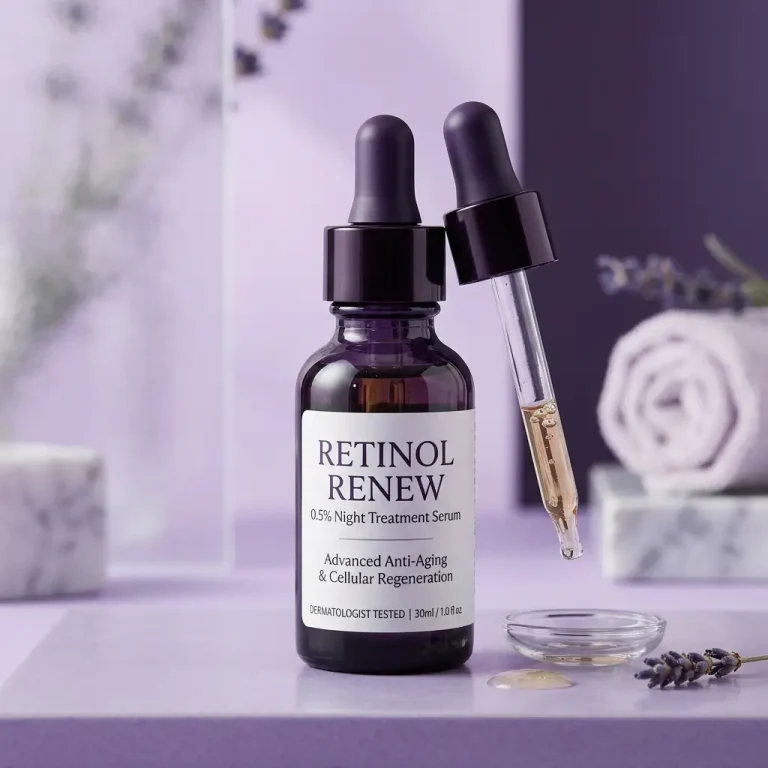
A customizable facial serum concept built around collagen-focused skincare positioning, combining hydration, skin-conditioning ingredients and a carefully selected texture for skin that looks smoother, plumper and more supple.
Capabilities|OEM•Low MOQ•Custom Formulation•Mass Production•In-Stock Products
Ingredient Perspective
Topical collagen ingredients are commonly used in cosmetic formulas for their moisturizing, conditioning or film-forming properties. They should not automatically be presented as replacing or rebuilding collagen inside the skin. For a commercial product, the final wording should match the actual formula, supporting evidence and regulatory requirements of the target market.
Raw Material Direction
The raw material affects not only the ingredient story but also sourcing documentation, sensory behavior, formulation requirements and the way the finished product can be marketed.
Can be considered for water-based serum concepts where a collagen ingredient is part of the moisturizing and conditioning story. Specification and molecular characteristics should be confirmed with the raw material supplier.
A potential choice for brands seeking a marine-origin ingredient narrative, subject to sourcing, certification, allergen and market-specific requirements.
For vegan positioning, the product can use non-animal moisturizing and skin-conditioning ingredients instead of animal-derived collagen. “Vegan collagen” should be used carefully because true collagen is biologically animal-derived.
Formula System
Instead of creating a formula that simply contains collagen, the development can be organized around the actual experience a customer notices on the skin.
Formula Pairing
For B2B development, a more convincing product concept often comes from assigning each active ingredient a clear role instead of accumulating ingredients without a defined purpose.
A straightforward hydration-focused direction for plumper-looking and more comfortable-feeling skin.
A stronger premium firming concept where the collagen ingredient supports the sensory and moisturizing story while peptides provide an additional active direction.
Useful when the brand wants to combine a firming-oriented identity with a barrier-support skincare story.
Can create a more complete daily-care concept, with the antioxidant selection depending on formula stability and the intended market.
Texture Engineering
Market Adaptation
The ingredient deck, claims, texture and packaging can be adjusted according to consumer expectations and regulatory requirements in the destination market.
A lightweight, elegant serum with hydration and refined sensory performance can fit a layered skincare routine.
A collagen-centered story can be expanded with peptides, antioxidants or barrier-support ingredients where technically and legally appropriate.
The formula can place greater emphasis on humectants and skin feel while keeping collagen as part of the product identity.
Packaging
A collagen serum is often positioned as a premium facial treatment. The package therefore needs to communicate quality while remaining practical for the actual viscosity and dispensing characteristics of the formula.
Classic serum presentation with controlled drop-by-drop application.
Useful for a clean, modern premium appearance and controlled dispensing, subject to compatibility testing.
Suitable when the brand wants the serum to become a recognizable part of its visual identity.
From Brief to Production
Project Options
Manufacturing Background
Guangzhou Qianlan Biotechnology Co., Ltd., established in 2004, reports a 200,000㎡ factory, 12 production lines, daily capacity of 500,000 units and a portfolio of 10,000 mature formulas. The company also reports 100+ patents, 1,000+ customers and exports to 100+ countries and regions.
Buyer Questions
Topical collagen ingredients are commonly used in cosmetic formulations for moisturizing, conditioning and film-forming functions. Their presence should not be interpreted as proof that the ingredient rebuilds collagen within the deeper skin layers.
Yes. Collagen-associated ingredients and hyaluronic acid can be used together in suitable serum systems to support a hydration-focused product concept, provided the finished formula is properly developed and tested.
Yes. A peptide system can be considered alongside collagen-associated ingredients when the selected raw materials are compatible. This can create a broader firming and anti-aging skincare concept.
Marine-origin collagen ingredients can be considered for facial serum formulations. The specific raw material should be evaluated for source, documentation, sensory properties, allergen considerations and destination-market requirements.
Yes. The base can be developed toward a watery essence, lightweight serum or gel-serum depending on the desired application experience and active system.
Yes. A collagen-centered serum can be designed for mature-skin positioning with hydration, conditioning and firming-oriented ingredients. Marketing claims should be supported by the finished product evidence.
Glass droppers and airless pumps are common choices, while custom bottles can create stronger brand differentiation. The final package should be selected after considering viscosity, dispensing and formula compatibility.
Yes. Formula direction, active system, texture, fragrance, fill volume, bottle, decoration and packaging configuration can be discussed according to the project requirements.
Your Collagen Serum Brief
Tell us the target market, collagen direction, texture, active ingredients, packaging preference and expected positioning. Start with the product problem you want to solve, and the formulation discussion can follow.