A Recognizable Ingredient Identity
PGA provides a clear hero-ingredient narrative for brands that want to move beyond conventional hydration-serum language.

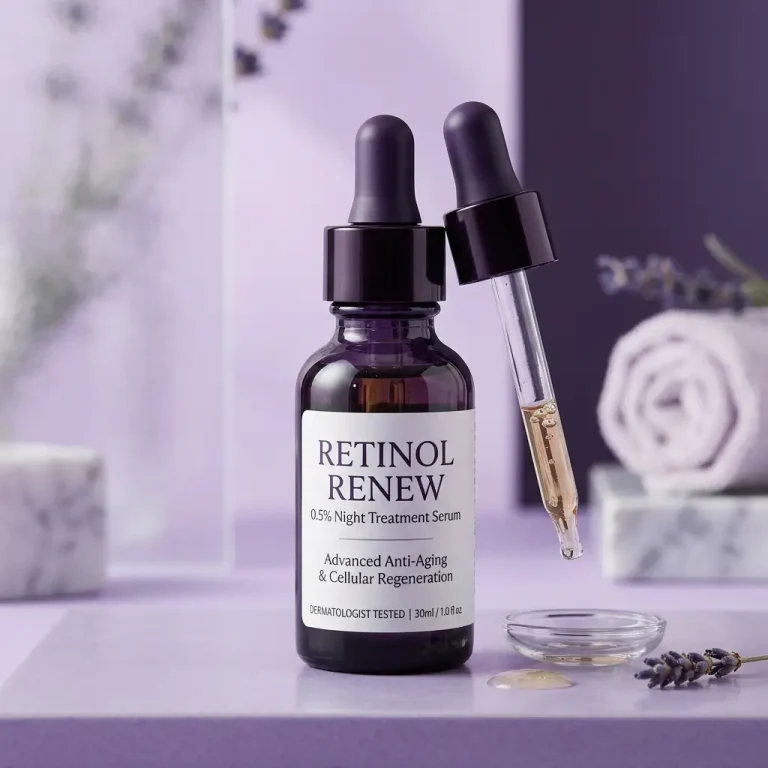
A customizable facial serum centered on polyglutamic acid for brands developing a hydration-focused skincare product with a distinctive skin feel, flexible active combinations and market-specific packaging.
Hydration is the product story
Polyglutamic acid gives brands a different route into the crowded hydrating-serum category, especially when texture and after-feel are treated as part of the product concept.
The formula can be adjusted for a fresh, cushiony or silky finish while balancing hydration-supporting ingredients and the intended positioning.
Capabilities|OEM•Low MOQ•Custom Formulation•Mass Production•In-Stock Products
Why This Ingredient
Hyaluronic acid dominates the hydration-serum conversation, while polyglutamic acid gives brands another recognizable ingredient story. For a B2B product, the opportunity is not to simply replace one humectant with another, but to build a different combination of texture, positioning and supporting ingredients.
PGA provides a clear hero-ingredient narrative for brands that want to move beyond conventional hydration-serum language.
Formula architecture can be used to create different levels of slip, cushion, spread and finish depending on the target consumer.
The same hero active can support a minimalist hydration concept, a premium treatment serum or a barrier-supporting formula when paired appropriately.
Hydration Architecture
A good hydration serum usually works as a system. Different ingredient groups can be assigned different roles so the formula feels balanced on skin and communicates one coherent benefit story.
The hero ingredient that gives the product its core identity and hydration-focused positioning.
Glycerin, hyaluronic acid, betaine or other suitable humectants can be considered to shape the overall hydration profile.
Panthenol, skin-conditioning ingredients or selected botanical components can help define the sensory direction.
Rheology and formula structure determine whether the finished serum feels watery, cushiony, silky or more gel-like.
Formulation Perspective
These ingredients do not need to compete for the same role. For brands, the more useful question is which hydration story and sensory experience best fit the product.
Useful when the brand wants a less conventional hero ingredient and a distinctive hydration-focused story.
A highly familiar hydration ingredient with broad consumer recognition and multiple molecular-weight options.
A combined concept can create a more ingredient-rich hydration story when the complete formula is designed for compatibility and sensory balance.
Sensory Design
For a hydration serum, consumers notice how the product spreads and settles almost immediately. That makes sensory development a commercial decision, not simply a laboratory detail.
Formula Directions
A clean and accessible concept for brands entering or expanding within daily facial hydration.
A comfort-oriented direction for brands that want hydration and skin-conditioning language together.
A richer ingredient story for products positioned around layered hydration and a premium treatment experience.
A customizable platform where hydration is combined with another clear product objective.
Specific ingredient combinations require formula compatibility, stability and destination-market review.
Development Notes
Packaging Direction
Packaging can reinforce the formula’s positioning, but the dispenser should first be compatible with the final texture and intended usage pattern.
A familiar facial-serum format that works well with ingredient-led visual positioning.
A modern direction for brands emphasizing controlled dispensing and a premium appearance.
A practical option for convenient daily application and repeat-use hydration products.
Bottle material, shape, decoration, closure and fill volume can be specified around the project brief.
B2B Product Brief
The following provides a starting framework for product discussions. Final specifications are confirmed after formula and packaging approval.
Customization
A project can start from an existing polyglutamic acid serum concept or from a blank product brief. The important part is defining the intended consumer, texture and commercial position before finalizing the formula.
Manufacturing Partner
Established in 2004, Guangzhou Qianlan Biotechnology Co., Ltd. provides cosmetic product development and manufacturing support for customers across more than 100 countries and regions.
FAQ
Polyglutamic acid serum is a facial skincare product formulated around polyglutamic acid and commonly positioned for hydration and moisture-supporting skincare.
Yes. PGA and hyaluronic acid can be considered together when the overall formula is designed for ingredient compatibility, suitable viscosity and a balanced sensory profile.
It can be formulated into different sensory directions. The final texture depends on the PGA grade, concentration, supporting polymers and complete formula structure.
Yes. Formula direction, supporting ingredients, texture, packaging, fill volume, fragrance and appearance can be discussed according to the project brief.
Dropper bottles, pump bottles, airless systems and other custom formats can be evaluated based on the final viscosity, dispensing behavior and brand requirements.
Yes. A fragrance-free product direction can be included in the development requirements.
MOQ is flexible and depends on the formula, packaging and production requirements of the specific project.
Sample development can be arranged according to the intended formula, packaging direction and project requirements before production confirmation.
Product Development
Tell us the texture, active combination, packaging style, target market and estimated quantity you have in mind. We can review the brief and discuss sample development.
WhatsApp: +86 130 0688 9666 · Email: sales@essencemanufacturer.com