01
The formula feels too harsh
A stronger acid story does not automatically create a better consumer product. The complete formula, pH, solvent system and supporting ingredients need to be considered together.

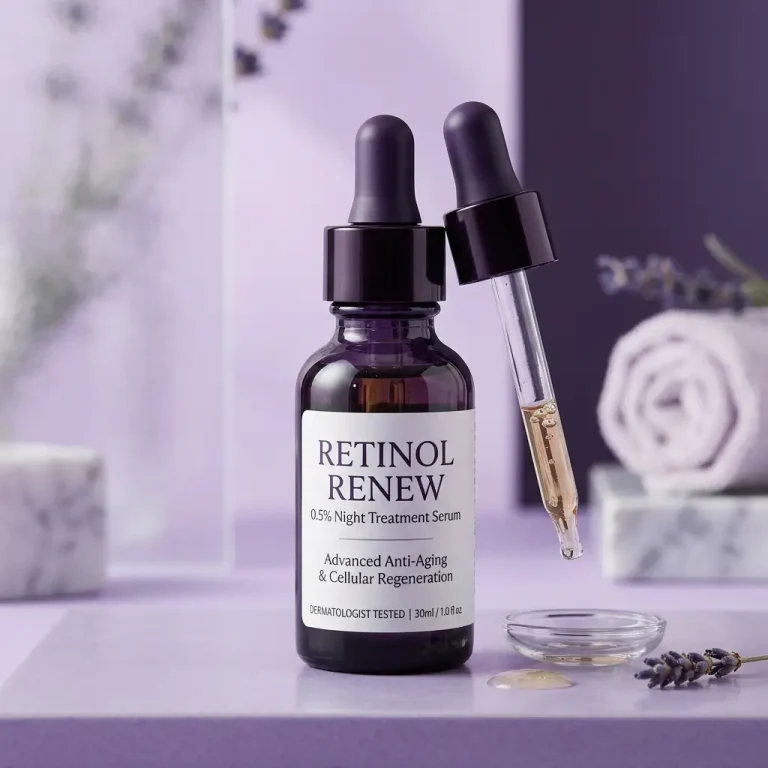
A salicylic acid facial serum designed for brands developing lightweight, blemish-prone-skin and pore-care concepts. Build the product around the desired acid level, skin feel, supporting ingredients and target-market requirements rather than relying on a one-size-fits-all formula.
Capabilities|OEM•Low MOQ•Custom Formulation•Mass Production•In-Stock Products
For Product Buyers
Salicylic acid is a recognizable skincare ingredient, but the finished serum can perform and feel very differently depending on how it is formulated. These are the decisions that matter when turning the ingredient into a sellable product.
A stronger acid story does not automatically create a better consumer product. The complete formula, pH, solvent system and supporting ingredients need to be considered together.
Humectant levels, polymers, solvents and film-forming materials can change the after-feel. A lighter sensory profile may be more appropriate for consumers who already use several skincare products.
Differentiation can come from texture, supporting actives, packaging, fragrance strategy and the specific skin-care problem the brand chooses to address cosmetically.
Salicylic acid use, concentration, claims, labeling and product classification can vary by market. The target country should be considered before the final formula and claims are locked.
Formula Planning
A BHA serum can occupy several different positions. Defining the intended product experience first helps determine which supporting ingredients and texture make sense.
LIGHT
A fresh, fast-layering concept for brands that want salicylic acid to sit within a simple daily facial-care routine.
BALANCED
Combine the BHA concept with humectants such as glycerin or hyaluronic acid to create a more moisture-conscious sensory direction.
POPULAR
A familiar combination for brands building a blemish-prone-skin and oil-balance cosmetic positioning, with the formula designed around compatibility and sensory balance.
COMFORT
Panthenol, allantoin or selected soothing-oriented ingredients may be evaluated when the brand wants a more comfort-focused product experience.
Formulation Variables
The ingredient name on the label tells only part of the formulation story. These variables can influence the final product and should be evaluated during development.
Supporting Ingredients
Adding more actives is not always an advantage. Each supporting ingredient should have a clear role in the product concept and be compatible with the complete formula.
For a broader oil-balance and skin-conditioning positioning.
For a moisture and skin-comfort supporting direction.
For a more hydration-oriented serum experience.
A potential supporting ingredient for a comfort-focused cosmetic concept.
Can be evaluated in formulas positioned around oily or blemish-prone skin.
A botanical option for brands seeking a more soothing-oriented story.
Development Notes
A salicylic acid serum should be evaluated as a finished cosmetic product, not simply as a bottle containing a percentage of BHA.
A higher active level may change the product experience and regulatory position. The target consumer and market requirements should determine the formulation direction.
Salicylic acid is not simply dissolved into water at any desired level. The solvent and formulation system need to be designed appropriately.
Combining multiple strong actives can make the product story complicated and may create unnecessary formulation and sensory challenges.
Cosmetic positioning should remain within the applicable framework of the target market. Claims such as treatment, cure or disease-related promises require particular regulatory review.
Sensory Options
Texture is part of positioning. A minimalist watery serum communicates something different from a cushioning gel, even when both use salicylic acid as the hero ingredient.
Packaging Direction
For an acid-based serum, packaging is not only a visual decision. The dispensing system, material compatibility, fill volume and consumer-use experience should be considered during development.
A clean, controlled dispensing format suited to modern clinical-inspired skincare branding.
A familiar serum format that works well for minimalist or ingredient-focused product identities.
Bottle color, finish, label design and fill size can be selected to create a more distinctive shelf presence.
B2B Customization
A commercial serum project may require more than changing the label. Formula, sensory profile and packaging can be coordinated around the intended market and brand positioning.
Market Readiness
Salicylic acid products can sit in different regulatory categories depending on the market, concentration, claims and presentation. The product brief should therefore identify the destination market before the final formula and marketing language are approved.
Manufacturing Background
Guangzhou Qianlan Biotechnology Co., Ltd., established in 2004, reports a 200,000㎡ factory, 12 production lines, daily capacity of 500,000 units, 10,000 mature formulas, 100+ patents and customers across more than 100 countries and regions.
Buyer FAQ
The formula can be developed around the intended product specification and destination-market requirements. The appropriate level should be determined together with the complete formulation and applicable regulations.
They can be considered together in an appropriately designed formula. Compatibility, pH, concentration, sensory performance and the complete ingredient system should be evaluated rather than relying on the ingredient names alone.
Yes. A fragrance-free direction can be considered when the product concept calls for a simpler sensory profile. The complete formula still requires appropriate stability, preservation and compatibility evaluation.
A more comfortable sensory direction can be explored through the overall formula, including the acid level, solvent system, humectants, texture and supporting ingredients. “Gentle” should describe the intended product experience rather than imply that the product is risk-free for every user.
Yes. Salicylic acid is commonly used in cosmetic products positioned for oily or blemish-prone skin. The finished formula and marketing claims should remain within the applicable cosmetic framework of the target market.
Airless pumps and dropper bottles are potential options. The final package should be selected after considering formula compatibility, viscosity, dispensing behavior, fill size and the brand’s visual positioning.
A reference sample can help communicate desired texture, appearance and sensory characteristics. The final formula would still need to be independently assessed for ingredients, stability, safety, compatibility and market requirements.
MOQ can be discussed according to the selected formula, packaging configuration, fill quantity and production requirements. The exact quantity should be confirmed for the individual project.
Your Formula Brief
Tell us your target market, preferred acid direction, texture, supporting ingredients and packaging idea. We can use those details as the starting point for a practical serum development discussion.