A
Humectant Base
Glycerin, hyaluronic acid or other compatible humectants can provide the water-based hydration foundation.

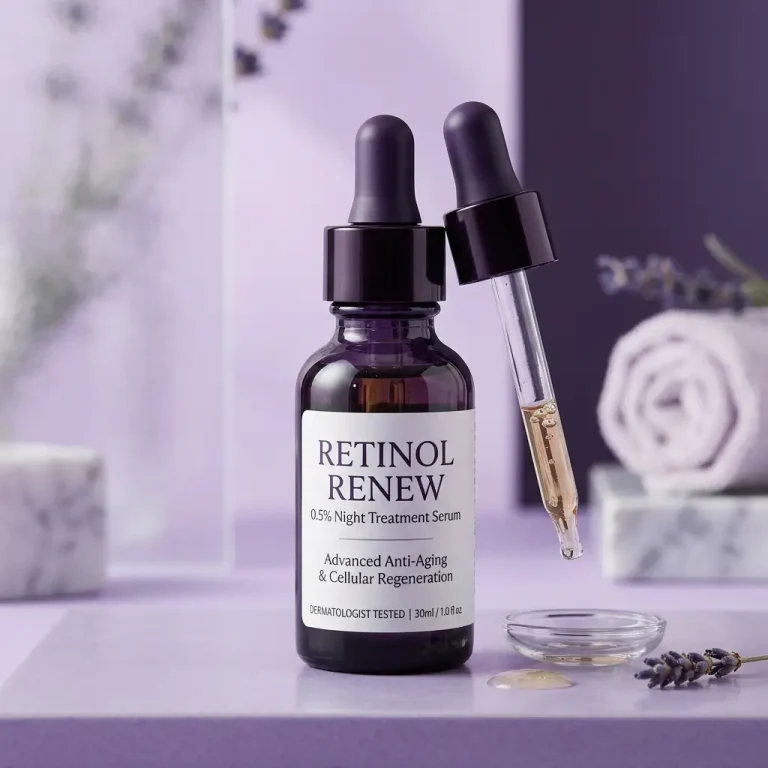
A lightweight facial serum built around squalane for a smooth, cushioned and comfortable hydration experience. The formula can be developed around different skin-feel preferences, complementary moisturizing ingredients and packaging directions without turning the product into an unnecessarily complicated active serum.
Squalane gives the product a clear sensory identity: soft, silky and conditioning. The development challenge is to preserve that cushion while avoiding a greasy or overly occlusive feel.
Capabilities|OEM•Low MOQ•Custom Formulation•Mass Production•In-Stock Products
Product Direction
A squalane serum should not simply feel oily because it contains an emollient. A better product balances immediate slip, absorption, residual softness and hydration so the customer can comfortably use it as part of a daily facial routine.
An overly rich sensory profile can make a facial serum feel difficult to layer, particularly for customers who prefer lightweight products.
A formula that spreads quickly but leaves little conditioning can fail to deliver the soft finish customers expect from a squalane-led product.
The strongest direction combines hydration, elegant spreadability and a clean after-feel that works across a broader range of facial-care routines.
Ingredient Focus
Squalane is a lightweight emollient used in facial formulations to improve skin feel and help reduce the sensation of dryness. Its value in a serum is largely about the combination of elegant slip, softness and compatibility with hydration-focused product concepts.
Adds a smooth, conditioned finish that can make a simple hydration serum feel more refined.
Provides glide during application without requiring a thick cream-like structure.
Can be positioned as a straightforward hydration serum or developed into a richer skin-conditioning concept.
Formula Architecture
Squalane works especially well when the rest of the formula has a clear job. Instead of filling the ingredient list with unrelated actives, the development can be organized around hydration, water retention, skin conditioning and sensory refinement.
Glycerin, hyaluronic acid or other compatible humectants can provide the water-based hydration foundation.
The squalane level can be adjusted according to the desired slip, richness, absorption and residual skin feel.
Ceramides, panthenol or other suitable conditioning ingredients can be considered where they fit the formula story.
Emulsifiers, rheology modifiers and compatible emollients can be optimized to create the desired finish.
Ingredient Pairings
The best supporting ingredients depend on the desired product promise. A clean hydration story is often stronger than combining every trending active into one bottle.
A straightforward pairing for a hydration-led serum with both water-based hydration and emollient conditioning.
A gentle positioning option for a comfort-oriented facial serum concept.
Suitable for a richer barrier-support concept when the complete formula is designed accordingly.
Selected extracts can add a differentiated product story when they are compatible with the intended formula.
Sensory Design
Squalane can support different facial-serum experiences. The texture should be selected around the target customer and intended routine rather than treating one consistency as universally correct.
A fresh, quick-spreading format for customers who dislike the feeling of a traditional facial oil.
A balanced emulsion with a soft glide and a more cushioned finish after application.
A more substantial night-care direction for customers who prefer a noticeable conditioning finish.
Skin Feel
Squalane is particularly useful when the product needs to communicate softness and comfort but still feel like a serum rather than a heavy facial oil.
Packaging & Presentation
A hydration-focused serum can look fresh and premium without relying on excessive decoration. Packaging can be selected according to viscosity, dispensing needs, positioning and the desired visual identity.
A familiar serum format that works well for fluid and medium-viscosity textures.
A practical direction for controlled dispensing and a clean, contemporary presentation.
Can create a premium appearance when the product positioning calls for a more refined shelf presence.
A tactile option for a comfort-oriented facial hydration concept.
Product Evaluation
A convincing hydration serum should perform consistently from the first pump to the final use. Sensory quality and physical stability deserve as much attention as the ingredient list.
Color, clarity or emulsion appearance should remain consistent within the intended specification.
The texture should dispense smoothly and provide the planned application experience.
The final skin feel should match the intended lightweight, silky or nourishing positioning.
Finished-product stability and package compatibility should be evaluated before commercial production.
Manufacturing Background
Guangzhou Qianlan Biotechnology Co., Ltd. was established in 2004. The company reports a 200,000㎡ factory, 12 production lines, daily capacity of 500,000 units, more than 10,000 mature formulas, 100+ patents, a team of 1,000 and customers across more than 100 countries and regions.
Common Questions
Squalane is an emollient commonly used to improve skin feel and provide conditioning. In a facial serum, it can help create a smooth, silky finish while complementing water-based hydration ingredients.
Yes. The final sensory profile depends on the amount of squalane, the rest of the formula and the selected texture system. A lighter serum can be developed when quick spread and a clean finish are priorities.
Yes. Squalane and hyaluronic acid can be used together in a hydration-focused facial serum when the complete formula is designed for compatibility and the desired texture.
No. Squalane is the hydrogenated, more oxidation-stable form commonly used in modern cosmetic formulations, while squalene is a different unsaturated compound.
Yes. Squalane is well suited to conditioning-focused hydration concepts. The formula can also include humectants and other skin-conditioning ingredients to create a more complete moisture-focused product.
Yes. The product can be developed toward a fluid, gel, milky or richer emulsion texture depending on the desired skin feel and positioning.
A fragrance-free direction can be considered during formula development. The finished formula should still be evaluated for stability, preservation and sensory performance.
Dropper bottles, airless pumps and other suitable serum containers can be considered. The final choice should match viscosity, dispensing requirements, formula compatibility and the intended product presentation.
Next Step
Tell us the hydration level, texture, skin-feel direction and packaging you have in mind. The next step can be built around a clear squalane serum concept rather than an overloaded formula.